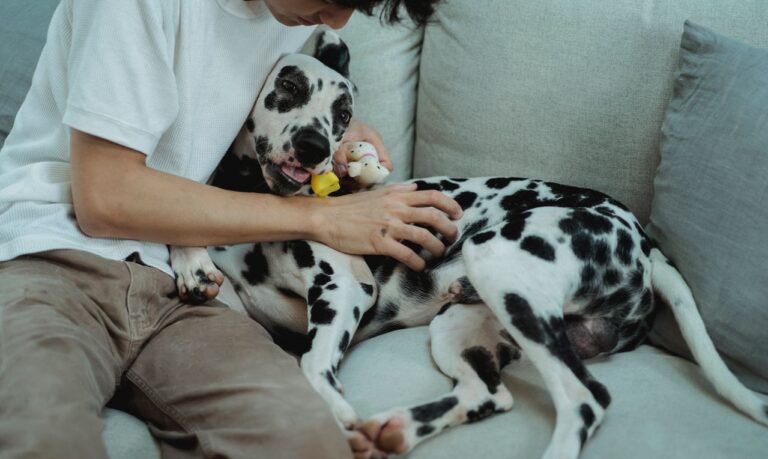
Is your dog starting to slow down on their morning walks? Perhaps they hesitate before jumping onto the couch or seem stiff after a long nap. For many pet owners, these subtle signs are the first indicators of joint discomfort. While aging is inevitable, living in pain shouldn’t be. Enter cold therapy for dogs joints—a non-invasive, drug-free, and remarkably effective “engineering” approach to managing inflammation.
Managing Dog Health in 2026 is about more than just reactive treatments; it’s about using science-backed protocols to stay ahead of chronic issues like osteoarthritis. By understanding how to properly apply cold therapy for dogs joints, you can significantly reduce swelling, numb pain signals, and accelerate your dog’s recovery from daily activity or major surgery.
The Science Behind Cold Therapy for Dogs Joints
To engineer a better recovery, we must first understand the enemy: inflammation. When a joint is injured or overworked, blood flow increases to the area, causing heat, redness, and swelling. While this is a natural healing response, excessive inflammation can lead to further tissue damage and restricted motion.
How Cold Re-Engineers the Recovery Phase
Cold therapy for dogs joints, also known as cryotherapy, works through several biological mechanisms:
-
Vasoconstriction: Cold temperatures cause blood vessels to constrict, limiting blood flow to the targeted area and effectively reducing swelling.
-
Enzyme Inhibition: It inhibits specific enzymes—like proteases and collagenases—that can cause tissue damage during the acute phase of an injury.
-
Natural Analgesia: By slowing down nerve signal transmission, cold therapy for dogs joints numbs the area, providing immediate pain relief.
When to Use Cold Therapy vs. Heat Therapy
One of the most common mistakes in Dog Health management is applying the wrong temperature at the wrong time. Using heat when you should use cold therapy for dogs joints can actually increase inflammation and worsen tissue damage.
| Feature | Cold Therapy (Cryotherapy) | Heat Therapy (Thermotherapy) |
| Primary Goal | Reduce swelling and acute pain | Reduce stiffness and muscle spasms |
| Best Used | First 72 hours after injury or surgery | Chronic conditions like long-term arthritis |
| Post-Activity | Ideal after intense exercise | Best before stretching or low-impact walks |
| Effect | Constricts blood vessels | Dilates blood vessels (increases flow) |
Actionable Steps: How to Apply Cold Therapy Safely
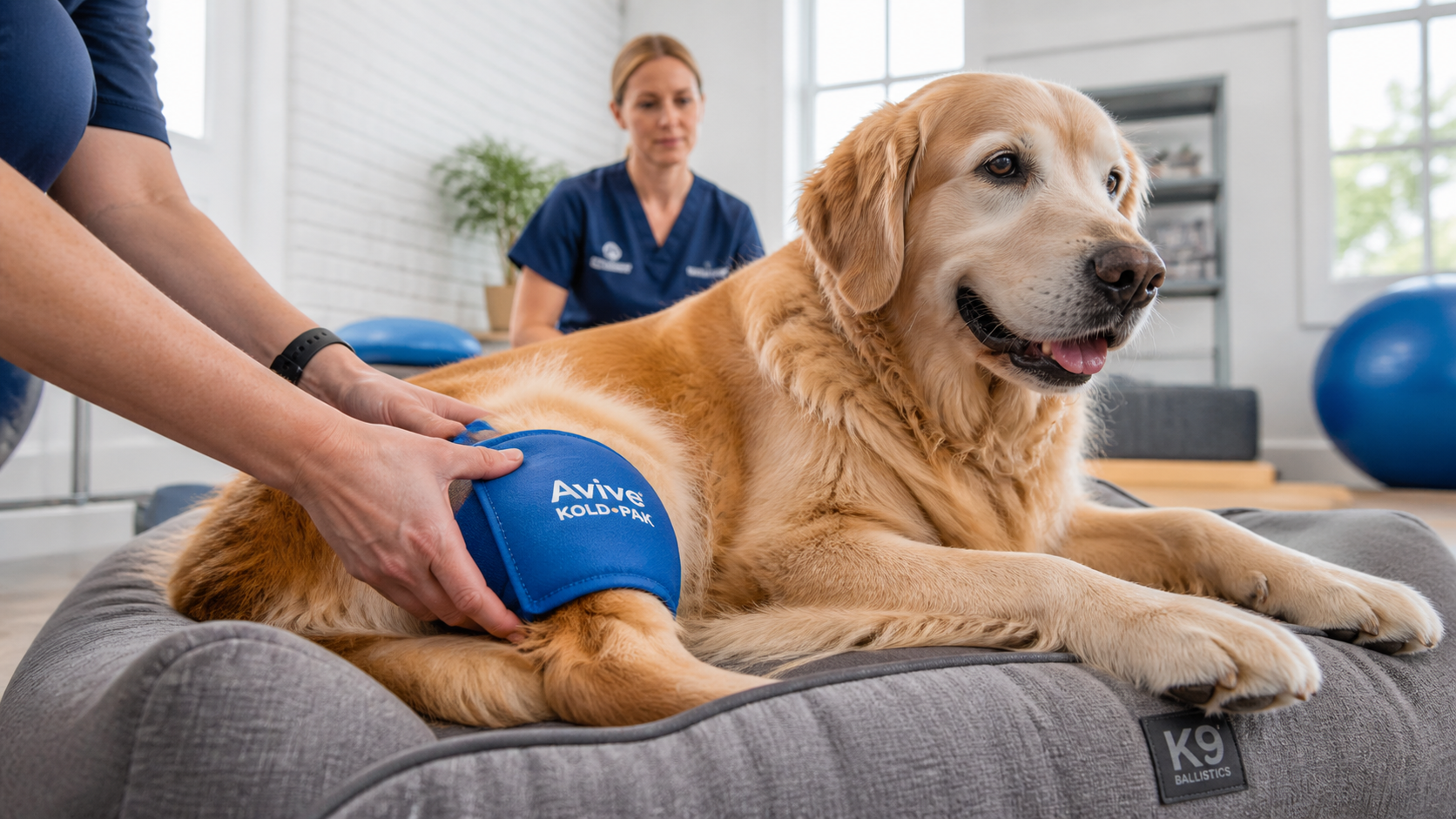
Applying cold therapy for dogs joints requires precision. Because dogs have sensitive skin and a different thermoregulation system than humans, you must follow strict safety protocols.
1. Choose Your Cold Source
You don’t need expensive medical equipment to start. Effective sources for cold therapy for dogs joints include:
-
Homemade Slushy Packs: Mix 2 parts water to 1 part rubbing alcohol in a freezer bag. This creates a flexible, conforming pack.
-
Commercial Gel Packs: Ensure they are non-toxic, as some gel beads can be harmful if ingested.
-
Frozen Vegetables: A bag of frozen peas is a classic, flexible option.
2. The Protective Barrier Rule
Never apply an ice pack directly to your dog’s skin. Always wrap your source of cold therapy for dogs joints in a clean, thin towel or pillowcase to prevent frostbite or skin irritation.
3. Time Your Sessions
The standard protocol for cold therapy for dogs joints is 10 to 20 minutes per session. Do not exceed 20 minutes, as over-cooling can actually trigger a “rebound effect” where the body sends more blood to the area to warm it up.
4. Frequency and Supervision
For acute injuries or post-surgery care, apply cold therapy for dogs joints every 4 to 6 hours for the first three days. Always supervise your dog during the process to ensure they don’t chew the pack or show signs of extreme discomfort.
Advancements in Cold Laser Therapy for 2026
While traditional ice packs are excellent for at-home maintenance, 2026 has seen a massive rise in Cold Laser Therapy (also known as Low-Level Laser Therapy or LLLT). Unlike ice, which works on the surface, this advanced form of cold therapy for dogs joints uses specific wavelengths of light to penetrate deep into the joint.
This stimulates cellular energy production (ATP), accelerating tissue repair and modulating inflammatory pathways without the use of drugs. It is a cornerstone of modern Dog Health for senior dogs who may not tolerate standard anti-inflammatory medications well.
Advanced 2026 Engineering Protocols
To elevate your authority on Dog Health and joint recovery, incorporate these deeper technological insights.
Hyperbaric Gaseous Cryotherapy (HGC): Rapid Thermal Auditing
For maximal engineering efficiency, 2026 research highlights Hyperbaric Gaseous Cryotherapy (HGC) as one of the most effective methods for rapid temperature reduction.
-
Rapid Cooling: HGC has been shown to exhibit the most effective immediate reduction in tissue temperature compared to standard cold therapy for dogs joints.
-
Sustained Effects: While HGC cools faster, Cold Compression (CC) units often provide the most extended sustained cooling effect once the initial audit is complete.
Multi-Modal Hydrotherapy: The Buoyancy Blueprint
The most robust 2026 Dog Health protocols combine temperature regulation with aquatic resistance.
-
Weight Reduction: Hydrotherapy in temperature-regulated pools can reduce a dog’s effective body weight by 60% to 90%, allowing for muscle activation without stressing damaged joints.
-
Post-Exercise Cold Rinses: For high-performance canine athletes, integrating gentle cold therapy for dogs joints via cold water rinses immediately after intense sessions helps prevent overuse injuries.
FAQ: Cold Therapy for Joint Recovery
Q: Can cold therapy help with my dog’s chronic arthritis?
A: Yes! While cold therapy for dogs joints is vital for acute injuries, applying it for 15-20 minutes after exercise can help decrease flare-ups and pain in arthritic joints.
Q: My dog hates the ice pack. What should I do?
A: Try “Ice Massage” or cold immersion in a temperature-regulated pool (hydrotherapy). Sometimes the weight of the pack is more bothersome than the cold therapy for dogs joints itself.
Q: Is it safe to use cold therapy on puppies?
A: Puppies have less body fat and thinner skin. Always consult your vet first and limit cold therapy for dogs joints to no more than 10 minutes.
Q: Should I use cold therapy before or after a walk?
A: After. Cold is used to calm the joint after activity. If you need to loosen up stiff joints before a walk, gentle heat is usually preferred over cold therapy for dogs joints.
Conclusion: A Cool Path to Better Mobility
Cold therapy isn’t just a “chilled-out” trend; it’s a foundational pillar of modern Dog Health. By engineering a recovery routine that utilizes the natural power of cold, you are giving your dog a non-invasive way to stay active and comfortable. Whether you are managing a senior dog’s “stiff mornings” or helping a young athlete recover from a weekend hike, a simple ice pack can be the most powerful tool in your cold therapy for dogs joints recovery kit.
ScienceDirect, Journal of Veterinary Science, and American Veterinary Medical Association (AVMA).