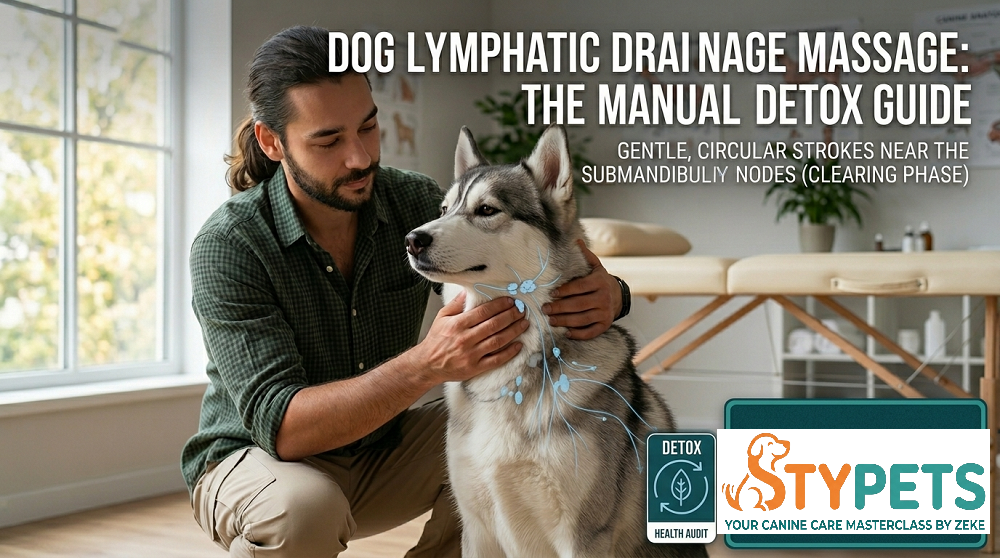
The canine body is a masterpiece of biological engineering, but even the most finely tuned machines need a maintenance protocol for their waste management systems. While most owners focus on high-quality kibble and heart health, a silent network of vessels—the lymphatic system—is working overtime to keep your dog’s immune system functional.
When this system becomes sluggish, toxins accumulate, leading to inflammation and lethargy. Understanding and performing a dog lymphatic drainage massage is not just a luxury; it is a vital manual intervention that supports your dog’s natural detoxification process and ensures long-term vitality.
1. The Anatomy of Clean: Understanding the Canine Lymphatic System
Before we dive into the “how,” we must understand the “why.” Unlike the circulatory system, which has the heart to act as a central pump, the lymphatic system is a passive network. It relies entirely on muscle contraction and manual movement to circulate lymph fluid—a clear liquid containing infection-fighting white blood cells.
What is Lymphatic Drainage?
In the world of professional dog health, lymphatic drainage refers to the manual stimulation of lymph nodes and vessels to encourage the flow of fluid toward the thoracic duct, where it can be filtered and recirculated. For dogs that are sedentary, senior, or recovering from surgery, this manual movement is the difference between biological stagnation and systemic health.
The Role of Lymph Nodes
Think of lymph nodes as “security checkpoints.” They trap bacteria, viruses, and cellular waste. Key nodes are located in the neck (submandibular), armpits (axillary), and groin (inguinal). When you perform a dog lymphatic drainage massage, you are essentially helping the “security team” clear the backlog of waste.
2. The Clinical Benefits of Manual Detoxification
The lymphatic system is the secondary immune system. By incorporating manual movement into your dog’s wellness routine, you are providing a structural audit of their internal health.
Reducing Systemic Inflammation
Chronic inflammation is the root of most canine diseases. By moving lymph fluid efficiently, you reduce the buildup of inflammatory cytokines. This is particularly beneficial for breeds prone to joint issues, where fluid buildup (edema) can cause significant discomfort.
Boosting Immune Response
A stagnant lymphatic system leads to a suppressed immune response. Regular massage ensures that lymphocytes (white blood cells) are distributed effectively throughout the body, allowing your dog to fight off pathogens more aggressively.
Stress Reduction and Cortisol Management
The gentle, rhythmic strokes required for a dog lymphatic drainage massage activate the parasympathetic nervous system. This lowers cortisol levels—the stress hormone—which in turn allows the body to focus its energy on cellular repair rather than “fight or flight” responses.
3. Step-by-Step Guide: Performing a Dog Lymphatic Drainage Massage
Performing this “audit” requires a light touch. Lymph vessels are located just beneath the skin; pressing too hard will collapse them, halting the very flow you are trying to encourage.
Step 1: Establish the “Zen” Environment
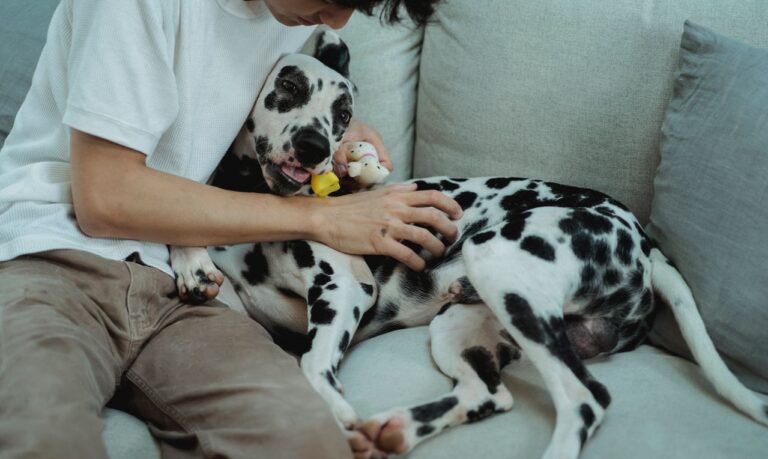
Choose a quiet space where your dog feels safe. Use a soft mat or their favorite bed. The goal is complete muscle relaxation, as tense muscles can restrict lymph flow.
Step 2: The Submandibular Nodes (Neck)
Begin at the base of the jaw. Using only the pads of your fingers, perform slow, rhythmic circular motions moving downward toward the base of the neck. This clears the path for fluid coming from the head.
Step 3: The Axillary Flush (Front Legs)
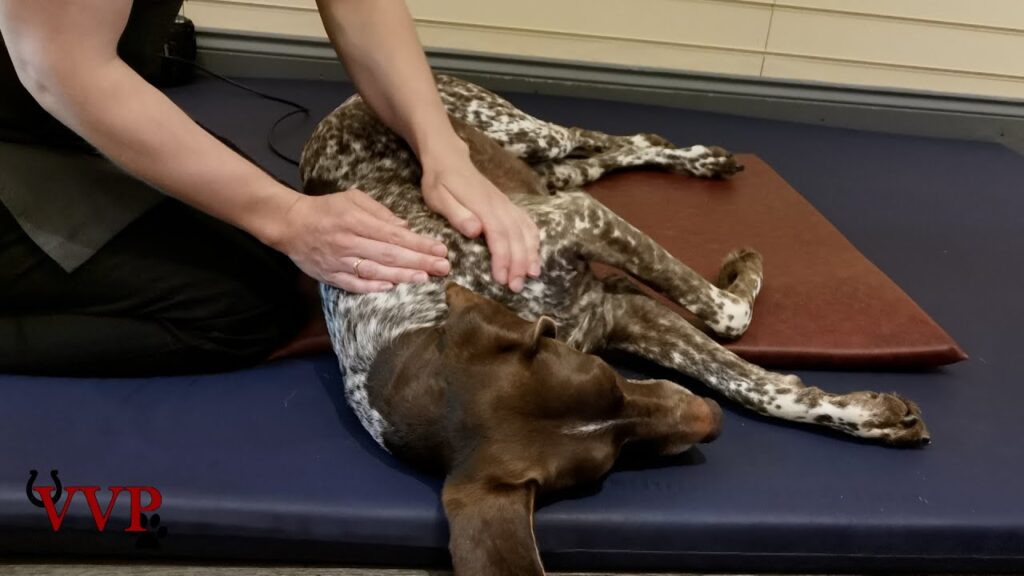
Place your hand in the “armpit” area of the front leg. Using a stationary circle technique, gently pump the area 5–10 times. Then, stroke from the paw up toward the shoulder, mimicking the natural direction of the fluid.
Step 4: The Inguinal Clear (Hind Legs)
The groin area contains a massive cluster of lymph nodes. Repeat the gentle pumping motion here. Follow this by long, light strokes from the hock (ankle) up to the inner thigh.
Step 5: The Spinal Stroke
Finish by running your hands lightly along either side of the spine from the neck to the base of the tail. This integrates the peripheral drainage into the central system.
4. When Your Dog Needs a Lymphatic Audit: Red Flags
As a strategist for your dog’s longevity, you must recognize the signs of a sluggish system. If your dog exhibits the following, a dog lymphatic drainage massage should be prioritized:
-
Puffy Limbs: Visible swelling or “pitting” edema in the lower legs.
-
Lethargy: A general lack of “spark” or slow recovery after exercise.
-
Skin Issues: Recurrent hotspots or dull coat, which can indicate toxic buildup.
-
Slow Wound Healing: Minor scratches that take weeks to disappear.
5. Integrating Manual Movement into a Modern Lifestyle
In the wild, dogs moved constantly over varied terrain, naturally pumping their lymph. Our modern domestic dogs often spend hours on soft couches, leading to “sedentary stagnation.”
Post-Exercise Recovery
The best time for a dog lymphatic drainage massage is 30 minutes after a vigorous walk or play session. While the muscles are warm and blood flow is high, manual drainage helps flush the lactic acid and metabolic waste generated during exercise.
The Senior Dog Protocol
For aging dogs with limited mobility, manual movement is a biological necessity. Their muscles no longer pump fluid efficiently. A 10-minute daily “lymph audit” can significantly improve their comfort levels and cognitive clarity by ensuring the brain is receiving “clean” fluid.
6. Internal and External Optimization
To maximize the results of your manual detox, you must consider the internal environment of the dog.
-
Hydration is Non-Negotiable: Lymph fluid is mostly water. If your dog is dehydrated, the fluid becomes “sludge-like” and difficult to move. Ensure they have access to filtered water or add moisture-rich toppers to their meals.
-
Movement Variety: Supplement massages with varied movement—swimming is an excellent low-impact way to stimulate the lymphatic system through hydrostatic pressure.
7. Expert FAQ: Common Questions on Dog Lymphatic Drainage
Q: How hard should I press during the massage? A: Think of the pressure you would use to move a nickel across a table without it flipping. It is a skin-to-skin stretch, not a deep tissue muscle massage.
Q: How often should I perform a lymphatic audit? A: For a healthy dog, 2–3 times a week is excellent for maintenance. For seniors or dogs with chronic inflammation, daily sessions are recommended.
Q: Can I do this if my dog has a fever? A: No. If your dog has an active infection or fever, do not perform lymphatic drainage. You do not want to manually push pathogens through the system while the body is in an acute fight.
Q: Are there breeds that benefit more than others? A: Large and giant breeds (like Great Danes or Mastiffs) often struggle with circulation and benefit immensely. Brachycephalic breeds (Pugs, Bulldogs) also benefit due to the high systemic stress their bodies endure.
Q: How long should a session last? A: A full-body audit should take between 10 and 15 minutes. Quality of touch is more important than duration.
Q: Can this help with allergies? A: Yes. By clearing the “checkpoints” (nodes) of allergens and histamines more quickly, you can reduce the severity of skin flares and itching.
Q: Will my dog enjoy it? A: Most dogs find the light, rhythmic touch incredibly soothing. It often results in deep sleep immediately following the session.
American Kennel Club (AKC) for breed-specific health stats and the International Association of Animal Massage & Bodywork (IAAMB) for professional standards.