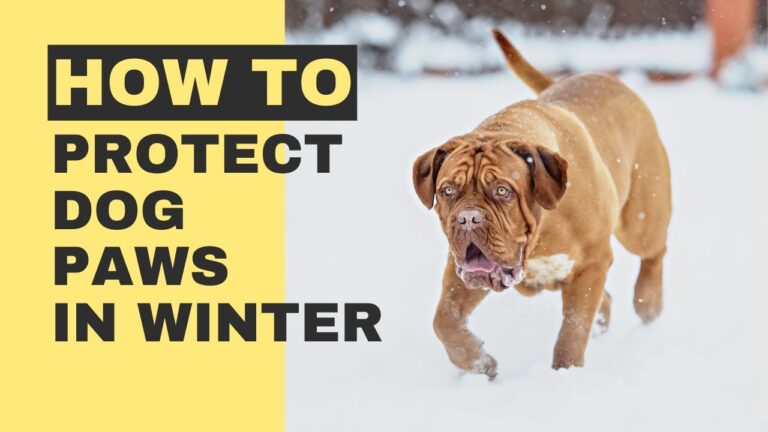
You step outside into a crisp, snow-covered landscape, zipped tightly into insulated layers and heavy-duty boots. Your dog bounds ahead, completely barefoot. While canine anatomy features a specialized circulatory network designed to keep their feet warm, extreme environmental elements quickly shatter this natural defense. Chemical de-icers, hidden ice shards, and freezing slush can rapidly turn a simple walk into a painful medical emergency, unless you have solid protocols for dog paw pad protection winter maintenance.
Many dedicated pet owners assume that a dog’s feet are naturally tough enough to handle any environment. They see thick, leathery tissue and believe their pet is fully insulated from the elements, completely overlooking the need for specialized dog paw pad protection winter strategies.
This dangerous assumption is a major oversight in modern companion animal care. Thick tissue does not protect against industrial chemical burns or microscopic tissue tearing. To keep your companion active and pain-free through the coldest months of the year, you must implement a structured, preventative maintenance plan that prioritizes dog paw pad protection winter consistency.
[Chemical / Thermal Exposure] ──> [Tissue Cracking & Drying] ──> [Micro-Tearing & Infection] ──> [Severe Mobility Imbalance]
Mastering an environmental protection routine is the ultimate dividing line between reactive pet ownership and proactive veterinary care. By understanding how environmental stressors alter canine skin cells, you can stop painful cracking before it starts, neutralize toxic chemical exposures, and maintain structural mobility all year long. The foundation of this active conditioning must be a data-driven focus on dog paw pad protection winter.
At STYPETS, we view skin and coat care as a precise defensive science. This comprehensive guide provides you with an actionable, data-driven framework to protect your dog’s paws from winter salt, summer pavement heat, and hidden year-round hazards, with a specific focus on optimizing your dog paw pad protection winter routines.
1. The Anatomy of a Paw Pad: Understanding Your Dog’s Natural Shield
To successfully implement a consistent protocol for dog paw pad protection winter care, you must first understand the structural anatomy of the canine foot. The pad is a complex, multi-layered defensive shield built to handle impact, protect blood vessels, and provide traction, but it was not engineered to resist industrial de-icing chemicals barefoot.
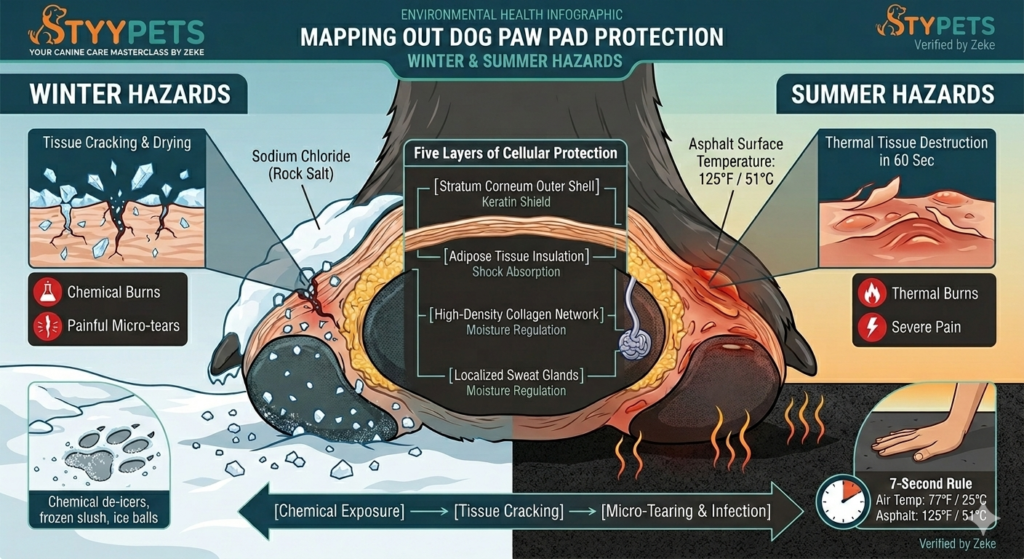
The Five Layers of Cellular Protection
The paw pad consists of heavily modified skin tissue designed specifically for high friction and weight-bearing pressure, which must be reinforced by proactive dog paw pad protection winter techniques.
[Stratum Corneum Outer Shell] ──> [Adipose Tissue Insulation] ──> [High-Density Collagen Network] ──> [Localized Sweat Glands]
The outermost layer, the stratum corneum, is a thick, rough layer composed of dead skin cells packed with tough keratin proteins. Beneath this tough exterior lies a thick layer of adipose (fat) tissue, which provides crucial shock absorption and acts as an insulation barrier against cold ground surfaces—a natural defense that is often maximized by consistent, quality dog paw pad protection winter application. Specialized sweat glands keep the tissue flexible, preventing it from drying out and shattering under mechanical stress.
2. Winter Hazards: Chemical Salts, Freeze Cracking, and Ice Shards
When snow and freezing temperatures arrive, the immediate threats to your dog’s paws multiply rapidly, making specialized dog paw pad protection winter tactics essential for preventing serious tissue damage.
The Chemical Threat: Rock Salt and Calcium Chloride
The primary winter enemy isn’t just the freezing temperature; it is the industrial de-icers spread across sidewalks and roads, which directly compromise traditional dog paw pad protection winter.
| Type of De-Icer Chemical | Primary Chemical Risk | Visual Symptoms of Damage |
| Sodium Chloride (Rock Salt) | Draws moisture out rapidly; dries tissue until it cracks and bleeds. | White chemical crusting, redness between toes, constant licking. |
| Calcium Chloride | Creates an intense chemical reaction on wet skin, burning raw tissue. | Severe skin redness, sudden limping, blistering on pad surfaces. |
| Magnesium Chloride | Less toxic if swallowed, but still causes severe skin drying and irritation. | Flaking skin, micro-fissures along pad margins, sensitivity to touch. |
The Physical Threat: Snow Aggregation and Razor Ice
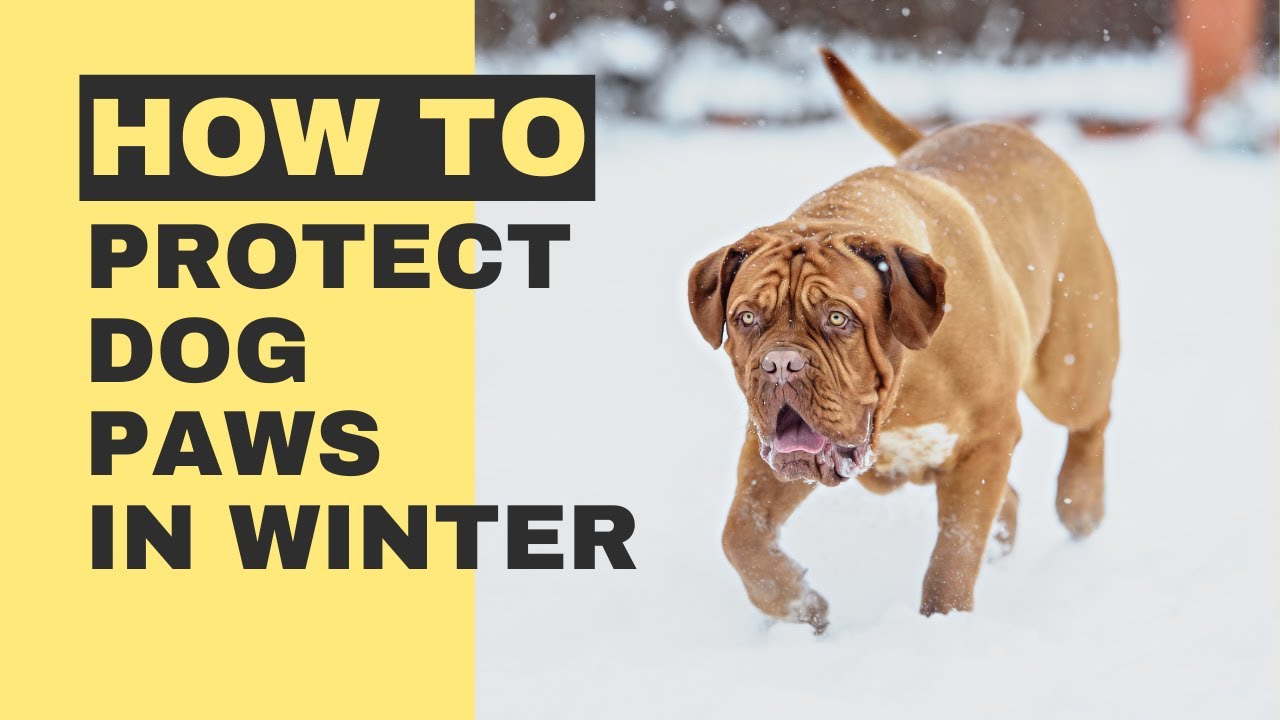
When a dog walks through wet snow, the fur between their toes collects moisture. This moisture rapidly freezes into hard ice balls that push the toes apart, stretching the delicate skin webbing and causing painful micro-tears. Walking on top of crusted refrozen snow can also slice open the outer skin shell like a razor, leaving deep wounds open to infection if proper dog paw pad protection winter steps are missed.
3. The 3-Step Winter Defense Protocol
To keep your dog safe from chemical burns and cold injuries, follow this strict, actionable routine before and after every single winter walk to ensure robust dog paw pad protection winter.
[Step 1: Apply Protective Wax Barrier] ──> [Step 2: Walk on Cleared Areas] ──> [Step 3: Wash with Warm Water & Dry thoroughly]
Step 1: Pre-Walk Barrier Application
Before stepping onto snow or salted pavement, apply a thick layer of a specialized, wax-based paw balm. Look for formulas utilizing natural beeswax, unrefined shea butter, and vitamin E, designed specifically to optimize dog paw pad protection winter application. This creates a dense, waterproof barrier that prevents chemical salts from making direct contact with the skin tissue.
Step 2: Post-Walk Chemical Decontamination
The moment you return inside, you must fully decontaminate your dog’s feet as part of your comprehensive dog paw pad protection winter routine. Do not simply wipe them with a dry towel, as this rubs the abrasive salt crystals deeper into the skin fissures. Instead, submerge all four paws in a shallow bowl of lukewarm water or use a damp microfiber cloth to thoroughly rinse away all chemical residues.
Step 3: Deep Moisture Restoration
After drying the feet completely with a soft towel, apply a thin layer of organic coconut oil or a veterinary-approved therapeutic cream. This replenishes the natural lipid moisture lost to dry winter air and chemical exposure, allowing the skin to heal from daily wear and maintaining proper hydration as part of your dog paw pad protection winter protocol.
4. Summer Heat Overlap: Preventing Critical Asphalt Burns
While winter care focuses heavily on chemical salts and ice, Dog Care requires an equally disciplined approach when seasonal temperatures flip. The very same tissue that cracks in the winter without robust dog paw pad protection winter application can quickly burn and peel during the summer months.
The 7-Second Rule for Hot Surfaces
Asphalt behaves like a giant thermal radiator, absorbing solar radiation and trapping intense heat. When ambient air temperatures hit a mild 77°F (25°C), unshaded asphalt can quickly surge to a dangerous 125°F (51°C). At this temperature, skin tissue can suffer destruction and thermal burns in under 60 seconds, proving that true Dog Care must be consistent across seasons, just like your disciplined dog paw pad protection winter efforts.
[Air Temperature: 77°F / 25°C] ──> [Asphalt Surface Temperature: 125°F / 51°C] ──> [Thermal Tissue Destruction in 60 Sec]
To easily check if a surface is safe for your dog, press the back of your bare hand firmly against the pavement for 7 consecutive seconds. If the surface feels too hot for your skin to comfortably endure, it is far too hot for your dog’s feet. Shift your exercise routine to early mornings or late evenings, or move your walks onto shaded, grassy paths, ensuring your care is as rigorous in the heat as your dedication to dog paw pad protection winter is in the cold.
5. Identifying Systemic Malfunctions: When Cracked Paws Mean Internal Illness
If you maintain a strict care routine but your dog’s paws continue to crack, peel, or bleed, the root issue may be an internal health imbalance rather than environmental wear, and standard dog paw pad protection winter application will not resolve the problem.
Metabolic Inbalances and Nutritional Deficiencies
-
Hyperkeratosis Overgrowth: This condition causes the body to produce too much keratin, leading to a crusty, hairy-looking overgrowth on the edges of the paw pads. It can stem from an underlying genetic issue, age-related changes, or a hidden liver disease, and often requires a different therapeutic approach than environmental dog paw pad protection winter.
-
Zinc-Responsive Dermatosis: Certain northern breeds, like Siberian Huskies and Alaskan Malamutes, can struggle to absorb zinc from their food. This deficiency leads to thick, crusty scabs forming around the mouth, eyes, and paw margins, regardless of the season or active Dog Care steps.
-
Thyroid Metabolic Slowdown: Advanced metabolic shifts can also impair normal skin health. A condition like canine hypothyroidism slows down cellular replacement throughout the body, leaving the skin chronically dry, weak, and highly vulnerable to damage during the winter, often making standard dog paw pad protection winter application less effective without medical intervention.
FAQ: Advanced Multi-Season Paw Pad Protection
1. How can I tell if my dog’s paws are actively burning from winter rock salt? If your dog stops walking, hovers one foot off the ground, whines, or begins frantically biting at their toes during a winter walk, they are likely experiencing chemical or thermal pain. This is a critical indicator that your immediate dog paw pad protection winter barrier has failed. Bring them indoors immediately and rinse their feet with lukewarm water.
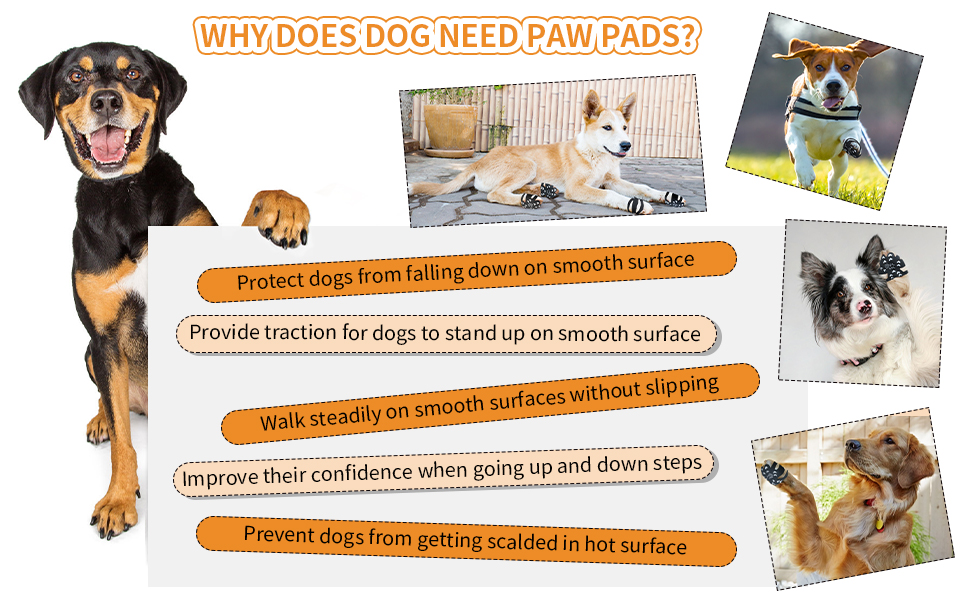
2. Are dog boots better than protective paw waxes for winter walks? Dog boots provide the most complete physical protection against chemical salts, glass, and ice shards, representing the peak of dog paw pad protection winter gear. However, many dogs refuse to wear them or experience rubbed sores from poorly fitted boots. A premium paw wax is an excellent, highly effective alternative for dog paw pad protection winter application if boots aren’t an option for your dog.
3. Can I use human lotions or petroleum jelly on my dog’s cracked paws? No. This is a common Dog Care mistake. Human skin lotions frequently contain fragrances and chemicals that can irritate canine tissue, and petroleum jelly can soften their pads too much, leaving them prone to tearing. Always choose dedicated, veterinary-safe products designed specifically to handle licking as part of your proper dog paw pad protection winter protocol.
4. How often should I trim the fur between my dog’s toes in the winter? You should trim the fur between their pads every 2 to 3 weeks, keeping it flush with the surface of the pads. Trimming this excess hair is an essential step in robust dog paw pad protection winter, as it prevents wet snow from clinging to their feet and freezing into painful ice balls.
5. What should I do if a paw pad skin layer peels completely off? Flush the raw area with sterile saline solution, apply a thin layer of veterinary antiseptic ointment, and wrap the foot in a clean, breathable bandage. Use a protective boot to keep the foot dry, and limit their exercise until a new layer of skin grows over the wound, ensuring proper dog paw pad protection winter even during active recovery.
6. Does walking on concrete help naturally build up a dog’s paw calluses? Yes, walking regularly on cool, dry concrete or gravel during mild weather helps strengthen the tissue and builds up natural protective calluses, which inherently supports proper dog paw pad protection winter conditioning. However, this natural conditioning won’t protect their feet from intense summer heat or corrosive winter chemicals.
7. Why does my dog lick their paws constantly after it rains or snows? They are likely trying to clean off irritating chemical residues, fertilizers, or road oils that have mixed with the rainwater or melting snow. This is exactly why specialized dog paw pad protection winter application is vital; you must always wash and dry their feet after outdoor activity to stop this licking habit before it causes hot spots.
Conclusion: Active Consistency Protects Long-Term Mobility
Achieving excellent year-round Dog Care means protecting your dog’s foundation. A sudden chemical burn or deep tissue crack isn’t just an inconvenience; it can permanently alter their walking alignment and impact their joint health over time, proving the dynamic value of active dog paw pad protection winter.
Do not wait for your dog to start limping before you take action. Stay proactive, apply your protective barrier waxes before heading outside, and clean their feet thoroughly after every trip into the elements. By guiding your companion safely through winter roads and hot summer sidewalks, using disciplined dog paw pad protection winter
-
-
The American Veterinary Medical Association (AVMA) for winter pet safety alerts and environmental exposure prevention advice.
-
The ASPCA Animal Poison Control Center for safety data on industrial de-icing chemicals and common household road salts.
-
The Weight Sweet Spot: Why Your Dog Doesn’t Need a Beach Body
-