Most dog owners believe that as long as the water bowl is full, their dog is hydrated. This is a dangerous biological myth. True hydration isn’t just about the volume of liquid swallowed; it’s about the electrical charge and electrolyte balance that allows water to enter the cells. If you want to know how to hydrate a dog properly, you have to look past the bowl and into the chemistry of their Dog Food and daily environment.
1. The Dehydration Paradox: Why “Bowl Water” Often Fails
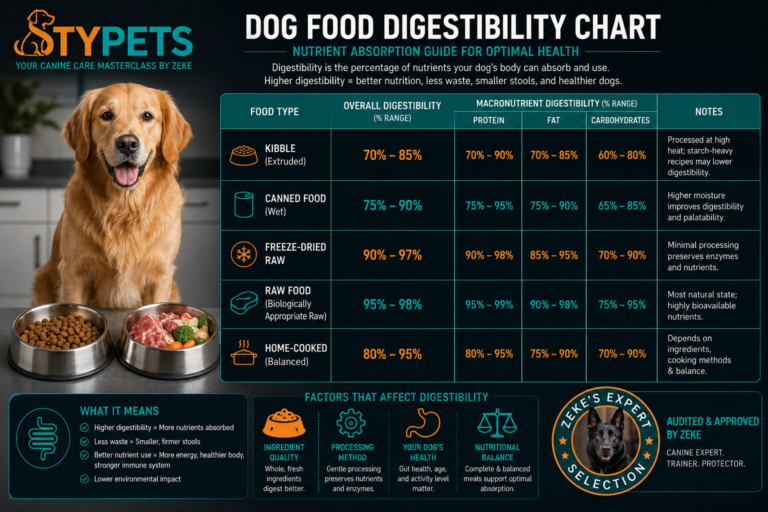
In the wild, a canine’s hydration comes primarily from the moisture-rich tissues of their prey—raw meat is roughly 70% to 75% water. Modern Dog Food, specifically dry kibble, is a “desiccant.” It actually sucks moisture out of your dog’s body to facilitate digestion.
The Problem with “Dead” Water
Tap water is often treated with chlorine and fluoride, and it lacks the structured minerals found in natural springs. When a dog drinks large amounts of “dead” water to compensate for dry Dog Food, it can lead to osmotic stress. The water sits in the gut or is quickly processed by the kidneys and expelled as urine, without ever truly nourishing the mitochondria at a cellular level.
Recognizing “Sub-Clinical” Dehydration
You might know the “skin tent” test, but that only shows severe dehydration. Sub-clinical dehydration—the kind that leads to kidney stones, joint depletion, and cognitive decline—is harder to spot. If your dog has a “dry” coat, sticky gums, or low energy, you need to learn how to hydrate a dog properly using a multi-dimensional approach.
2. Bio-Hacking the Bowl: How to Hydrate a Dog Properly
To achieve peak cellular health, we must transform water from a simple liquid into a bio-available nutrient delivery system.
Step 1: The Electrolyte Balance
Water follows minerals. If your dog’s diet lacks sufficient potassium, sodium, and magnesium, water cannot cross the cellular membrane. Adding a pinch of high-quality sea salt or a splash of coconut water (unsweetened) to their bowl can significantly improve how they utilize moisture.
Step 2: Filtration and Structuring
Remove the chemical load. Using a carbon filter to remove chlorine is a baseline requirement. For those looking for elite Dog Care, adding “structured” water—water that has been vortexed or exposed to sunlight—can mimic the natural state of water found in nature, making it easier for cells to absorb.
3. The “Wet-In” Method: Transforming Dog Food into Hydration
The most effective way to address how to hydrate a dog properly is to integrate moisture directly into their meals. This reduces the digestive tax on their internal reservoirs.
Hydrating the Kibble
If you feed dry Dog Food, you must rehydrate it.
-
Bone Broth: Not only adds moisture but provides collagen for joint health.
-
Goat Milk: A nutritional powerhouse that provides “living” moisture and probiotics.
-
Warm Water: A simple 1:1 ratio can prevent the “bloat” risk associated with dry kibble expanding in the stomach.
High-Moisture Toppers
Integrating fresh, moisture-rich foods is a cornerstone of professional Dog Training and health management. Adding cucumbers, zucchini, or blueberries provides “gel water”—water trapped in a fiber matrix that is released slowly during digestion, providing a sustained hydration release.
4. Environmental Auditing: External Factors of Fluid Loss
Hydration isn’t just about intake; it’s about preventing unnecessary loss.
-
Humidity Control: In winter, indoor heating creates a desert-like environment. A humidifier can prevent your dog from losing moisture through their respiratory tract (panting).
-
Exercise Timing: Understanding how to hydrate a dog properly means hydrating before the walk. A “pre-load” of water-rich snacks 30 minutes before exercise is more effective than letting them chug a gallon of water afterward.
-
The Cooling Effect: Use ceramic or stainless steel bowls. Plastic bowls can leach chemicals and harbor bacteria that discourage drinking, especially in heat.
5. Advanced Hydration: Recovery and High-Performance Protocols
For working dogs or those in high-heat climates, standard water isn’t enough.
-
Panting Loss: Dogs cool themselves through evaporation on the tongue. This creates a rapid loss of both water and electrolytes.
-
The “Ice Block” Strategy: Freeze bone broth or diluted fruit juices into large blocks. This encourages slow “licking” hydration rather than rapid “gulping,” which is safer for the digestive system.
6. Expert FAQ: Decoding Canine Hydration
Q: How much water does my dog actually need? A: A general rule for how to hydrate a dog properly is 1 ounce of water per pound of body weight. However, if they eat dry Dog Food, they need significantly more to offset the dehydration caused by the kibble.
Q: Is distilled water safe for dogs? A: No. Distilled water is “leaching” water. Because it lacks minerals, it can actually pull minerals out of your dog’s body. Always use filtered or spring water.
Q: Why does my dog drink excessively at night? A: This often points to a “Kibble Crash.” If their Dog Food is too high in salt or dry matter, their body struggles to process it, leading to late-night thirst spikes.
Q: Can a dog drink too much water? A: Yes. Water intoxication (hyponatremia) is rare but dangerous. It usually happens when dogs “bite” water from hoses or fetch toys in lakes for hours.
Q: Does wet food mean I can remove the water bowl? A: Never. Even with high-moisture diets, fresh, clean water must always be accessible as a self-regulatory tool.
Q: My dog hates plain water. What should I do? A: “Flavor” the water with a teaspoon of tuna juice or low-sodium chicken broth. This is a great hack for how to hydrate a dog properly when they are being stubborn.
Q: Are water fountains better than bowls? A: Many dogs prefer moving water as it mimics a “fresh” stream. Fountains also help oxygenate the water, which can improve taste and intake.
Conclusion: Mastering the Cellular Flow
Mastering how to hydrate a dog properly is the single most under-utilized “bio-hack” in modern pet ownership. By auditing your water quality, rehydrating their Dog Food, and understanding the electrolyte balance, you are doing more than quenching thirst—you are protecting their kidneys, lubricating their joints, and fueling their brain. Don’t just fill the bowl; engineer the hydration.
-
“Kibble vs Raw: The Moisture Debate” and “Senior Dog Kidney Health” posts.
-
NRC (National Research Council) for nutrient guidelines or the American Kennel Club (AKC) for emergency dehydration signs.