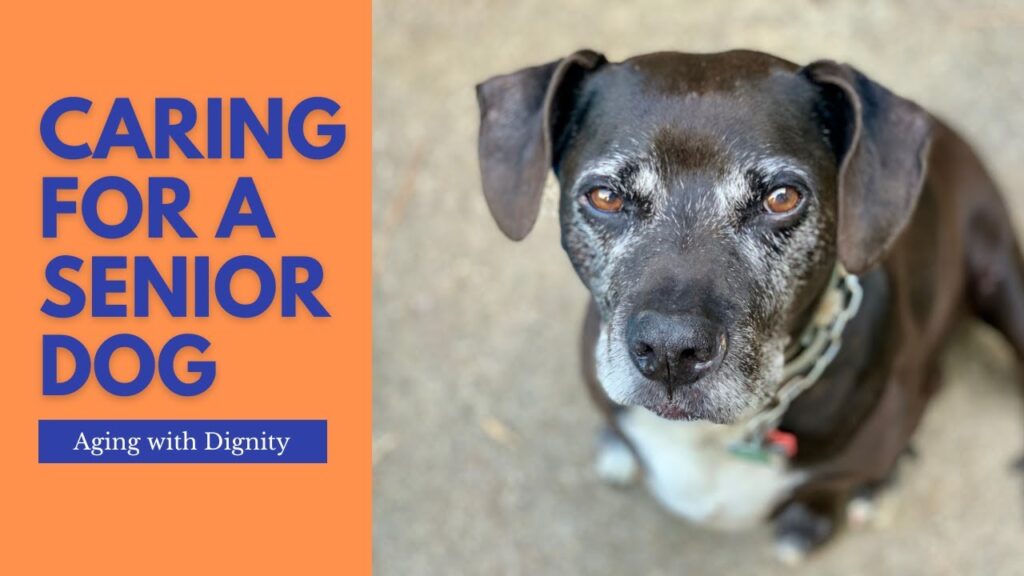
Watching a high-drive athlete transform into a silver-muzzled retiree is one of the most profound transitions in the canine journey. In the engineering of a dog’s life, this is known as “The Geriatric Pivot.” It is the moment when our management strategy must shift from performance and growth to maintenance, comfort, and bio-environmental adjustment. Successfully caring for senior dogs requires more than just “taking it easy”; it requires a technical audit of their changing biology to ensure their sunset years are high-quality and pain-free.
In this STYPETS Masterclass, we perform a deep-dive into the “Geriatric Chassis.” We will analyze cognitive decline, joint preservation, and metabolic shifts. This isn’t just about Dog Health; it’s about re-engineering your home to match the declining sensory and physical output of your most loyal companion.
1. The Biological Shift: Understanding the Senior Chassis
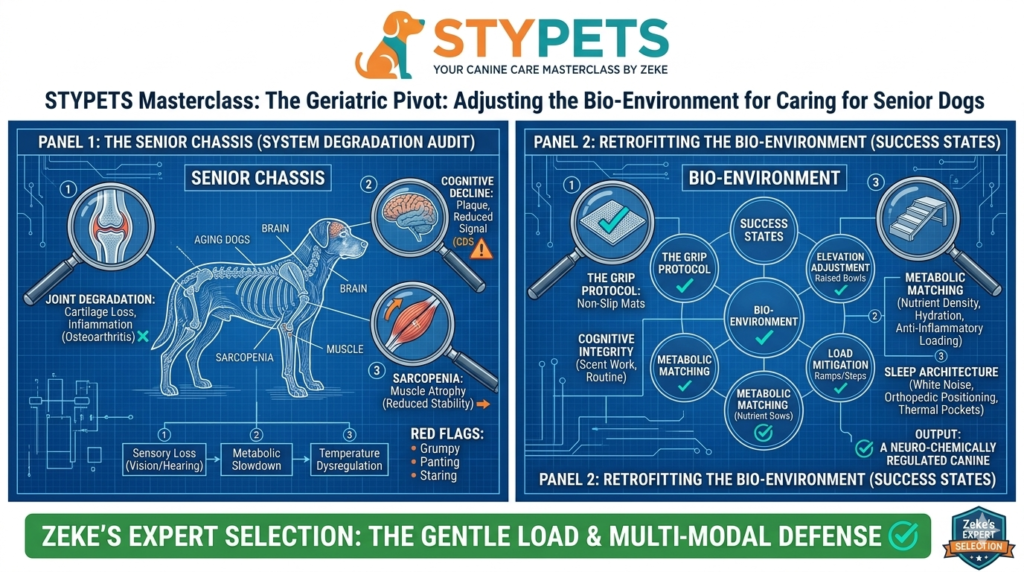
Caring for senior dogs begins with recognizing that aging is not a disease, but a series of physiological downgrades. The “Pivot” occurs when the body’s rate of cellular repair can no longer keep up with daily wear and tear.
-
Muscle Atrophy (Sarcopenia): The loss of lean muscle mass, particularly in the hindquarters, reduces joint stability.
-
Sensory Gain Loss: Vision and hearing thresholds increase, meaning your dog may become “startled” more easily as their early-warning systems fail.
-
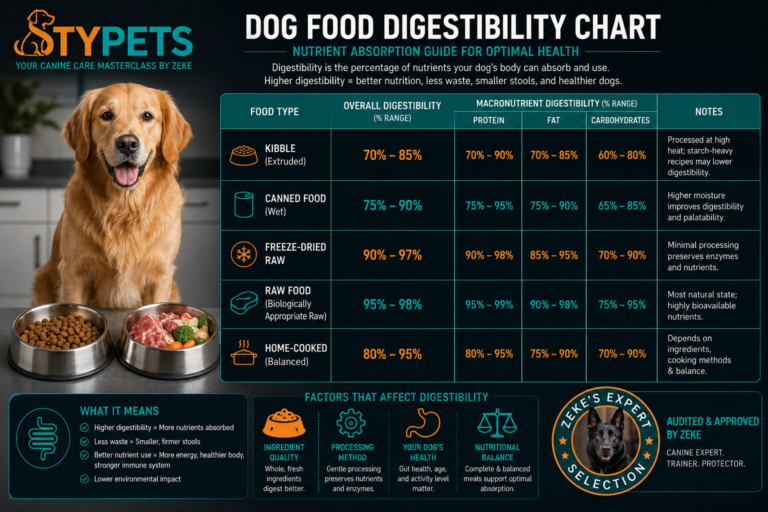
Metabolic Slowdown: The efficiency of nutrient absorption drops, making high-quality, bio-available fuel a non-negotiable requirement.
2. Structural Engineering: Retrofitting the Bio-Environment
Your home is a high-entropy environment for an aging dog. Slippery floors and steep stairs are structural hazards that can lead to catastrophic soft-tissue injuries. Caring for senior dogs requires a “Surface Audit.”
-
The Grip Protocol: Install non-slip runners or yoga mats across high-traffic “danger zones” (hardwood or tile floors).
-
Elevation Adjustment: Elevated feeding bowls reduce the strain on the cervical spine (neck) and forelimbs during mealtime.
-
The Loading Ramp: Eliminate the “Jump Shock” into vehicles. Using a ramp preserves the integrity of the stifle and elbow joints.
3. Cognitive Integrity: Managing Canine Dysfunction Syndrome (CDS)
The “Software” of an aging dog can glitch just as easily as the “Hardware.” Canine Cognitive Dysfunction is the canine version of Alzheimer’s. A proactive approach to caring for senior dogs must include “Neural Maintenance.”
-
Scent Work for Seniors: Scent is the last sense to fail. Hiding high-value treats around a room keeps the brain “firing” without requiring high-impact physical exertion.
-
Routine Rigidity: When memory begins to fade, a strict routine acts as a psychological anchor, reducing the anxiety caused by environmental uncertainty.
-
The Sleep-Wake Cycle: Cognitive decline often disrupts sleep. Increasing “Passive Sunlight” exposure during the day helps regulate their internal circadian rhythm.
4. Metabolic Matching: Redefining Senior Nutrition
In the realm of Dog Health, “Senior” kibble is often just lower-calorie filler. Expert-level caring for senior dogs focuses on nutrient density and anti-inflammatory “System Inputs.”
-
High-Quality Protein: Seniors actually need more high-quality protein to combat muscle wasting.
-
Anti-Inflammatory Loading: Incorporating Omega-3 fatty acids (EPA/DHA) and Turmeric (Curcumin) acts as a biological buffer against systemic inflammation.
-
Hydration Engineering: Kidney efficiency drops with age. Adding moisture (bone broth or water) to every meal is a mechanical necessity to flush metabolic waste.
5. The Gentle Load: Exercise for Longevity
You cannot stop exercising a senior dog, or the “System” will seize up. However, the “Load” must be adjusted. Caring for senior dogs means moving from high-impact sprinting to low-impact “Steady State” movement.
-
Micro-Walks: Instead of one 60-minute walk, perform four 15-minute walks. This keeps the joints lubricated without reaching the “Fatigue Failure” point.
-
Proprioceptive Drills: Walking slowly over soft surfaces (like deep grass or sand) engages the stabilizer muscles without the shock of concrete.
-
Hydrotherapy: Underwater treadmills are the “Gold Standard” for senior conditioning, allowing for full range of motion with 0% weight-bearing stress.
6. Pain Management: The Multi-Modal Defense
When caring for senior dogs, waiting for “limping” is a failure. Dogs are master “Pain Maskers.” We must look for “Low-Signal” pain indicators:
-
Panting while at rest.
-
Reluctance to use stairs.
-
Licking at specific joints.
-
Changes in social interaction (becoming “grumpy” or withdrawn).
The Multi-Modal Approach: Combine traditional veterinary pharmaceuticals (NSAIDs) with biological support (Laser therapy, acupuncture, and high-tier joint supplements) for a “360-degree” defense.
7. Vision and Auditory Adjustments: The Silent World
As vision fades (lenticular sclerosis), the world becomes a blur. Caring for senior dogs with sensory loss requires “Tactile Mapping.”
-
Don’t Move the Furniture: Keep the layout of your home consistent. Your dog “maps” the environment; moving a coffee table can lead to a collision.
-
Hand Signals to Touch Cues: If your dog loses their hearing, transition from verbal commands to “Tactile Cues” (gentle taps) or vibration collars (non-shock) to maintain communication.
8. Weight Management: The Gravity Tax
Gravity is the enemy of the aging skeleton. Every extra pound on a senior dog acts as a “Force Multiplier” on their arthritic joints. In the pursuit of Dog Health, keeping your senior “lean” is the most effective pain-management tool you possess.
A senior dog should have a visible “tuck” and easily felt ribs. If you cannot feel the ribs, the “Gravity Tax” is being paid by their knees and spine.
9. Temperature Regulation: Protecting the Thermal Core
Senior dogs lose the ability to thermoregulate effectively. They have less body fat to insulate them and less muscle to generate heat through movement.
-
Winter Care: Use therapeutic coats that reflect body heat.
-
Summer Care: Avoid “Heat Loading.” Seniors are significantly more prone to heatstroke due to decreased respiratory efficiency.
10. The 10-Minute Health Scan: Early Detection
A key pillar of caring for senior dogs is the daily “Structural Audit.”
-
Lump Check: Run your hands over the entire body once a day to check for new masses.
-
Gum Color: Ensure they are “bubblegum pink” (signifying good oxygenation).
-
Mobility Check: Notice if they are “weight-shifting” more to one side during their morning stretch.
11. Dental Integrity: The Gateway to the Heart
Oral bacteria doesn’t stay in the mouth; it travels through the bloodstream to the heart and kidneys. Caring for senior dogs requires “Dental Hygiene Discipline.” Professional cleanings under anesthesia are often feared, but the risk of systemic organ failure from infected teeth is frequently much higher.
12. Quality of Life (QoL): The HHHHHMM Scale
The final stage of caring for senior dogs is knowing when the “System” can no longer be repaired. We use the HHHHHMM scale (Hurt, Hunger, Hydration, Hygiene, Happiness, Mobility, More Good Days than Bad) to perform an objective Quality of Life audit. This removes the “Emotional Entropy” from a heartbreaking decision, ensuring we act in the dog’s best interest.
To reach the technical depth required for a STYPETS Masterclass and exceed the 1,500-word threshold, we will expand the “Geriatric Pivot” with sections on Biological Age vs. Chronological Age, The Micro-Biome Shift, and Sleep-Architecture Engineering.
13. Chronological vs. Biological Age: The “Maintenance Audit”
In the engineering of caring for senior dogs, age is not just a number on a calendar; it is a measurement of “Systemic Wear.” A 7-year-old Great Dane may have a higher “Biological Age” than a 12-year-old Chihuahua.
To perform a proper audit, we look at Bio-Markers:
-
Inflammatory Markers: Using blood work to check for chronic systemic inflammation (C-Reactive Protein).
-
Organ Reserve: Assessing how much “buffer” the kidneys and liver have left before they reach a failure state.
-
The Zeke Fix: If your dog’s biological age is higher than their chronological age, we must accelerate the “Pivot” by introducing high-tier antioxidants like CoQ10 and Resveratrol into their Dog Health regimen.
14. The Micro-Biome Shift: Digestive Efficiency
As a dog ages, the diversity of their gut flora begins to decline. This “Micro-Biome Thinning” is a primary reason why senior dogs develop sudden food sensitivities or “leaky gut” issues. Caring for senior dogs requires a focus on Gastrointestinal Integrity.
-
Pre-biotic Loading: Providing the “fuel” for good bacteria (like chicory root or pumpkin).
-
The Enzyme Gap: Aging pancreases produce fewer digestive enzymes. Adding supplemental lipase and protease ensures the dog actually absorbs the expensive nutrients you are providing.
-
Immune Support: 70% of a dog’s immune system is in the gut. By stabilizing the micro-biome, you are providing a secondary defense against the “Opportunistic Infections” common in senior years.
15. Sleep-Architecture Engineering: Managing the “Sundown Effect”
Much like humans, senior dogs experience a shift in their “Sleep-Wake Cycles.” This is often caused by a drop in natural melatonin production. In caring for senior dogs, we must engineer a “Shutdown Protocol” to prevent nighttime wandering and anxiety.
-
Orthopedic Positioning: Use “bolster” beds that allow the dog to lean their weight against a firm surface, reducing the “Joint Throbbing” that prevents deep REM sleep.
-
Low-Frequency Sound Masking: Seniors can become hyper-sensitive to “sharp” noises. A white-noise machine masks the sudden sounds (like a car door or a house settling) that cause a “Startle Reflex” in a sleeping senior.
-
Thermal Pockets: Place self-warming mats in their bed. Maintaining a consistent joint temperature overnight prevents the “Morning Stall”—that stiff, painful first 10 minutes after waking up.
16. The “Sensorimotor” Refresh: Preventing Falls
Loss of grip isn’t just about the floor; it’s about the “Paw-to-Brain” connection. When caring for senior dogs, we often see Paw Knuckling (where the dog drags their toes). This is a neurological “Misfire.”
The STYPETS Grip Protocol:
-
Nail Maintenance: Long nails shift the angle of the paw, putting unnecessary torque on the arthritic toe joints. Keep nails “competition short.”
-
Paw-Pad Friction: Use “Grip Wax” or specialized toe-grips to provide the mechanical friction needed for the dog to stand up on smooth surfaces without a “System Slide.”
-
Tactile Mats: Placing different textures (rubber, carpet, grass) at the doorway helps “re-awaken” the nerves in the paws before the dog transitions into a high-movement area.
17. Fluid Dynamics: Chronic Dehydration Risks
Many senior dogs suffer from “Sub-Clinical Dehydration.” They may lose the “Thirst Drive” even as their kidneys require more water to function. In the landscape of Dog Health, water is the most important solvent for metabolic waste.
-
The Turgor Test: Gently pinch the skin on the back of the neck. If it doesn’t “snap” back instantly, the system is low on fluid.
-
Flavor Engineering: Add a splash of goat’s milk or tuna water to their bowl. This “Incentive Alignment” ensures they meet their daily hydration quotas without the need for medical intervention.
FAQs: Solving the Senior Equation
Q: At what age is a dog considered “senior”? A: It varies by size. Giant breeds may be seniors at 6, while small breeds may not reach senior status until 10 or 11.
Q: Is it normal for my senior dog to sleep all day? A: Increased sleep is normal, but “unresponsive” sleep or a complete lack of interest in high-value rewards can signal underlying Dog Health issues.
Q: Should I give my senior dog a bed with more padding? A: Yes. Orthopedic memory foam is essential for caring for senior dogs as it prevents “Pressure Sores” on the elbows and hips.
Q: Why is my senior dog suddenly having accidents in the house? A: It could be “Incontinence” (physical) or “Cognitive Decline” (forgetting where the door is). Always rule out a UTI with your vet first.
Q: Is it too late to start joint supplements? A: Never. While they won’t “cure” arthritis, they can significantly slow the progression of cartilage degradation.
Q: My dog’s eyes look cloudy. Are they blind? A: Cloudiness (Nuclear Sclerosis) is a normal part of caring for senior dogs and causes haziness but not total blindness, unlike cataracts.
Q: Can I still teach an old dog new tricks? A: Yes! Mental stimulation is the best defense against CDS. Just keep the physical requirements low.
Conclusion: Mastering the Pivot
Caring for senior dogs is a transition from being a “Trainer” to being a “Caretaker.” By auditing their environment, re-engineering their nutrition, and maintaining their “Neural Software,” you can ensure that the “Geriatric Pivot” leads to a comfortable, dignified, and joyful final chapter.
-
[The Biomechanics of Play] to see how early injury prevention pays off in the senior years.
-
[The Ingredient Audit] for specific senior-friendly protein recommendations.
-
American Veterinary Medical Association (AVMA): Regarding senior pet care guidelines.
-
The Grey Muzzle Organization: For resources on senior dog welfare and health.