The sudden snap of a squirrel’s tail, the erratic flutter of a bird, or the rapid movement of a cyclist—for many owners, these are triggers for a terrifying lunging match. When your dog’s “hunter” software overrides their “obedient” hardware, you aren’t just dealing with a lack of manners; you are fighting against thousands of years of biological programming. Learning how to stop dog high prey drive is not about suppressing the animal’s nature, but about re-engineering their impulse control circuitry to prioritize you over the chase.
1. The Neurobiology of the Chase: Why Prey Drive is Not “Aggression”
Before you can master how to stop dog high prey drive, you must understand what is happening inside the canine brain. Prey drive is a manifestation of the “Predatory Motor Sequence”: Search, Eye-Stalk, Chase, Grab-Bite, Kill-Bite.
The Dopamine Loop
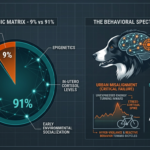
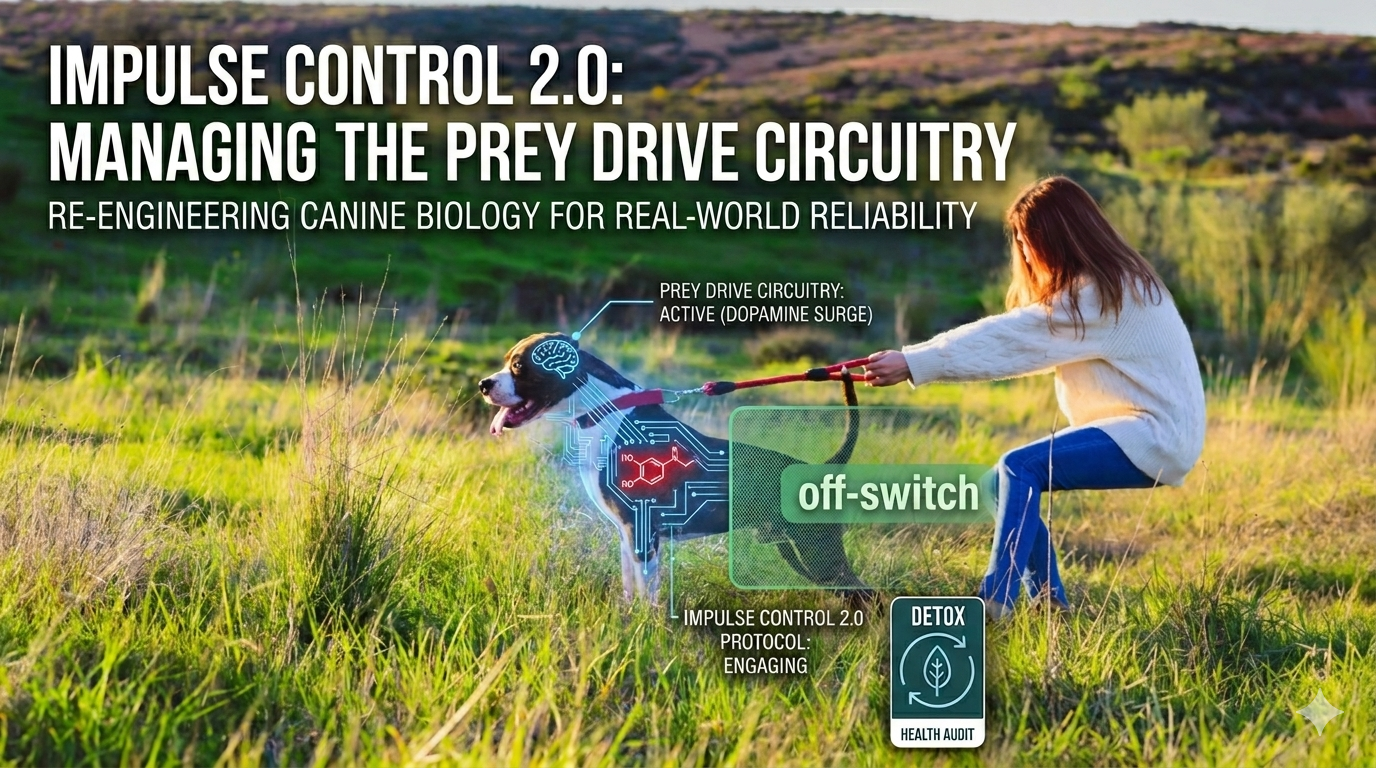
When a dog spots a moving object, their brain releases a massive surge of dopamine. This is chemically rewarding. For a dog with high drive, the chase is literally addictive. This is why traditional punishment often fails; the internal reward of the chase is far more powerful than the fear of a correction. To effectively tackle how to stop dog high prey drive, we must provide a “Bio-Break” in this chemical loop.
Breed Predispositions
While any dog can have high drive, certain lineages—such as Herding, Sporting, and Terrier groups—have been genetically audited to emphasize specific parts of the motor sequence. A Border Collie may “Eye-Stalk” for hours, while a Terrier is hard-wired for the “Grab-Bite.” Your Dog Training approach must be tailored to which “circuit” in the sequence is most active.
2. Pre-Training Audit: Setting the Baseline for Success
You cannot teach a dog in a state of high arousal. If you want to know how to stop dog high prey drive in the real world, you have to start in a “Zero-Entropy” environment.
Biological Fulfillment
A dog with “unmet needs” will look for their own employment. If your high-drive dog isn’t getting appropriate outlets for their kinetic energy, they will find it in the local squirrel population. Ensure your dog has daily:
-
Scent Work: Engaging the nose to tire the brain.
-
Structural Exercise: High-intensity movement that builds muscle without over-arousing the nervous system.
Threshold Identification
Successful Dog Training requires you to know your dog’s “red line.” This is the exact distance at which your dog notices a trigger but can still look back at you for a treat. This distance is your “Training Zone.”
3. The “Off-Switch” Protocol: Actionable Impulse Control Exercises
Here is the blueprint for how to stop dog high prey drive through structured mechanical training.
Step 1: The “Look at That” (LAT) Game
This counter-conditioning technique changes the dog’s emotional response to the prey.
-
Stand in your Training Zone.
-
When the dog looks at the trigger (e.g., a squirrel), mark the behavior with a clicker or “Yes!”
-
Reward with a high-value “Power Treat” (liver, cheese, or steak).
-
Repeat until the dog looks at the squirrel and immediately turns to you for their reward.
Step 2: The Flirt Pole Mastery
A flirt pole is a giant cat toy for dogs. It is the ultimate tool for teaching how to stop dog high prey drive because it allows the dog to chase in a controlled environment.
-
Rule: The dog cannot chase until you give the “Release” command.
-
The Audit: Mid-chase, give a “Leave It” or “Down” command. If the dog complies, reward them by letting them catch the toy. This teaches that compliance is the key to getting the chase.
4. Engineering the Walk: Real-World Management
The walk is where most owners fail. When asking how to stop dog high prey drive, management is just as important as training.
-
Use a Front-Clip Harness or Head Halter: This gives you mechanical leverage without causing pain.
-
Maintain a “Bio-Scan” of the Environment: You must see the trigger before your dog does. If you see the squirrel first, you can engage your dog before they cross the threshold.
-
High-Entropy Rewards: Save your best treats specifically for prey-drive encounters. If they get “boring” kibble for sitting at home, they need “Gold Label” rewards for ignoring a rabbit.
5. Advanced Mechanics: The Emergency Recall
If the leash breaks or a gate is left open, knowing how to stop dog high prey drive becomes a matter of life and safety. You need a “Bulletproof Recall.”
-
Never Use the Emergency Word for “Come”: Choose a unique word like “Bacon” or “Zest.”
-
The Jackpot Principle: Every single time you use your emergency word, the dog gets 30 seconds of continuous treats and praise.
-
Never Punish the Recall: Even if they chased a deer for 20 minutes, if they eventually come back to the word, you must reward. You are training the return, not the chase.
To expand this into a comprehensive 1,500+ word authority piece, we will deep-dive into the mechanical and psychological layers of prey drive. Points 6 through 12 focus on advanced Dog Training concepts that bridge the gap between back-yard practice and high-distraction reality.
6. The “Search” Phase: Using Scent Work to Drain the Battery
One of the most effective ways to understand how to stop dog high prey drive is to realize that “drive” is like a pressure cooker. If you don’t vent the steam, it will explode.
-
Biological Outlet: By encouraging your dog to find hidden treats or toys using their nose, you satisfy the “Search” part of the predatory sequence.
-
Cognitive Fatigue: Scent work is 10x more tiring than a physical walk, making it less likely your dog will have the mental energy to fixate on a squirrel.
7. Predatory Drift: Identifying the Danger Zone
In multi-dog households or dog parks, understanding how to stop dog high prey drive is critical for safety. “Predatory Drift” occurs when social play shifts into hunting behavior.
-
Signs to Watch: A shift from bouncy, “loose” play to stiff, focused staring and silent chasing.
-
The Audit: If the play becomes too one-sided, implement a mandatory 2-minute “Bio-Break” to lower arousal levels.
8. Generalization: Why Your Training Fails in the Woods
A common frustration in Dog Training is the dog who listens perfectly in the kitchen but ignores you at the park.
-
Proofing the Behavior: You must teach the “Leave It” command in ten different environments before expecting it to work under high prey stress.
-
Incremental entropy: Gradually move from the living room to the driveway, then the sidewalk, then the edge of a park.
9. The Opposition Reflex: Why Pulling Back Makes it Worse
When your dog lunges and you pull the leash tight, you often trigger the Opposition Reflex.
-
The Mechanic: Physically pulling a dog back often makes them want to lean into the pressure and move forward faster toward the prey.
-
The Solution: Use “Pulse Taps” or change direction entirely rather than engaging in a static tug-of-war.
10. Barrier Frustration vs. True Prey Drive
Sometimes, what looks like an obsession with squirrels is actually Barrier Frustration.
-
The Difference: The dog is frustrated that the leash or fence is preventing them from exploring, which mimics the intensity of a high prey drive.
-
Actionable Step: Increasing “Long-Line” walks (using a 15-30ft leash) can reduce the feeling of being trapped and lower overall reactivity.
11. The Role of High-Arousal Nutrition
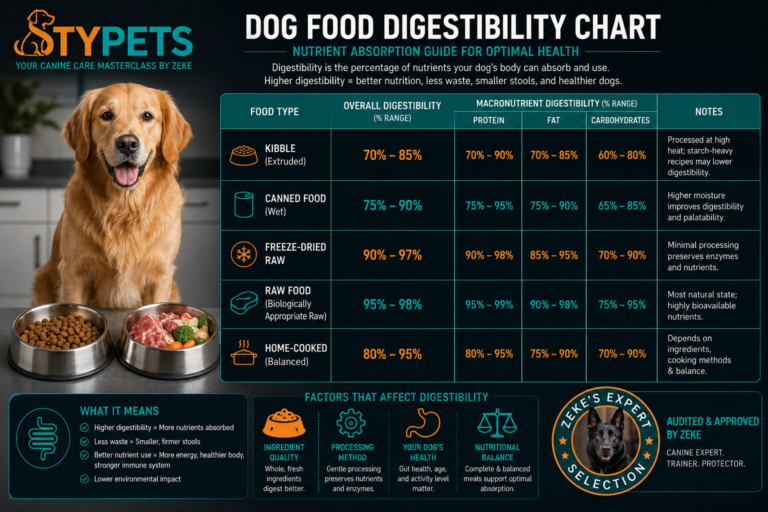
Believe it or not, how to stop dog high prey drive can be influenced by the bowl.
-
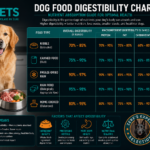
The Protein-Tryptophan Link: Diets extremely high in certain proteins without enough tryptophan (the precursor to serotonin) can lead to higher levels of arousal and lower impulse control.
-
Audit your food: Ensure your high-drive dog is getting a balanced amino acid profile to support a “calm” brain chemistry.
12. Using the “Premack Principle” as a Reward
The Premack Principle states that a high-probability behavior (chasing) can reinforce a low-probability behavior (sitting).
-
The Strategy: If your dog sits and looks at you when they see a squirrel, their “reward” is being allowed to move five steps closer to where the squirrel was.
-
The Result: You are using the dog’s own desire to chase as the reward for staying calm, which is the ultimate “Impulse Control 2.0” technique.
13. Expert FAQ: Managing High Prey Drive
Q: Can you ever truly “stop” prey drive? A: You cannot delete a genetic instinct, but you can learn how to stop dog high prey drive from manifesting as dangerous or unwanted behavior. It’s about management and redirection.
Q: Is a shock collar effective for prey drive? A: High-arousal dogs often “fight through” the pain of a shock to get to the prey, which can actually increase frustration and aggression. Positive reinforcement and “Release-based” rewards are more effective for long-term reliability.
Q: My dog ignores treats when they see a squirrel. What do I do? A: You are too close. Increase the distance from the trigger until the dog’s brain can process the reward. This is the fundamental rule of Dog Training.
Q: Does playing fetch increase prey drive? A: If done poorly, yes. If you make your dog sit and wait for the “Release” command before they chase the ball, fetch becomes a powerful impulse control exercise.
Q: At what age is it too late to start? A: It is never too late, but older dogs with a history of successful hunting will require more “Repetition Cycles” to override their previous habits.
Q: Are certain colors of toys better for high-drive dogs? A: Dogs see blues and yellows best. Using a high-visibility blue toy for “Leave It” training can help them focus better than a red one that blends into the grass.
Q: Why does my dog “scream” or “yelp” when they see prey? A: This is extreme vocalization due to high arousal and frustration. It is a sign that the dopamine surge is overwhelming their system.
Conclusion: Mastering the Circuitry
Understanding how to stop dog high prey drive is the difference between a stressed, reactive walk and a peaceful, structured partnership. By auditing your dog’s biological needs, respecting their thresholds, and using their own “chase” instincts as a reward for calm behavior, you bridge the gap between their wild ancestry and their modern domestic life. You aren’t just a trainer; you are a biological engineer for your dog’s behavior.
“The ‘Off-Switch‘ Protocol: Engineering Impulse Control in High-Drive Dogs.”
“Scent Work: The Neuro-Stim Protocol Blueprint.”
Mention the IAABC (International Association of Animal Behavior Consultants) for professional standards in behavior modification.