Dog Nutrigenomics Guide: Engineering Positive Gene Expression Through Nutrition
The old adage “you are what you eat” has undergone a biological upgrade. In the cutting-edge field of canine health, we now know that nutrients do more than just provide energy—they act as “software updates” for your dog’s DNA. This is the essence of this dog nutrigenomics guide. By understanding how specific compounds in Dog Food interact with the genome, we can actually “silence” disease-promoting genes and “activate” those responsible for longevity and high-performance recovery.
Nutrigenomics is the study of how food speaks to genes. For the proactive owner, it represents the ultimate shift from reactive vet visits to proactive biological engineering. If you want to ensure your dog’s genetic blueprint reaches its maximum expression, you must master the art of feeding for genetic health.
1. Defining the Biological Interface: What is Nutrigenomics?
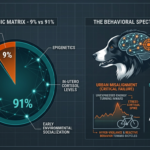
At its core, nutrigenomics is the intersection of nutrition and genetics. Every time your dog eats, they are sending chemical signals to their cells. These signals determine whether certain genes are turned “on” or “off.” This process is known as Epigenetics.
-
The DNA Blueprint: Think of DNA as the permanent hardware. You cannot change the breed’s genetic code.
-
The Genetic Switches: Think of nutrition as the software. You can change how that code is read.
-
The Result: By following a data-driven dog nutrigenomics guide, you can potentially bypass hereditary predispositions for inflammation, obesity, and even certain cancers.
2. The Methylation Cycle: The Engine of Gene Expression
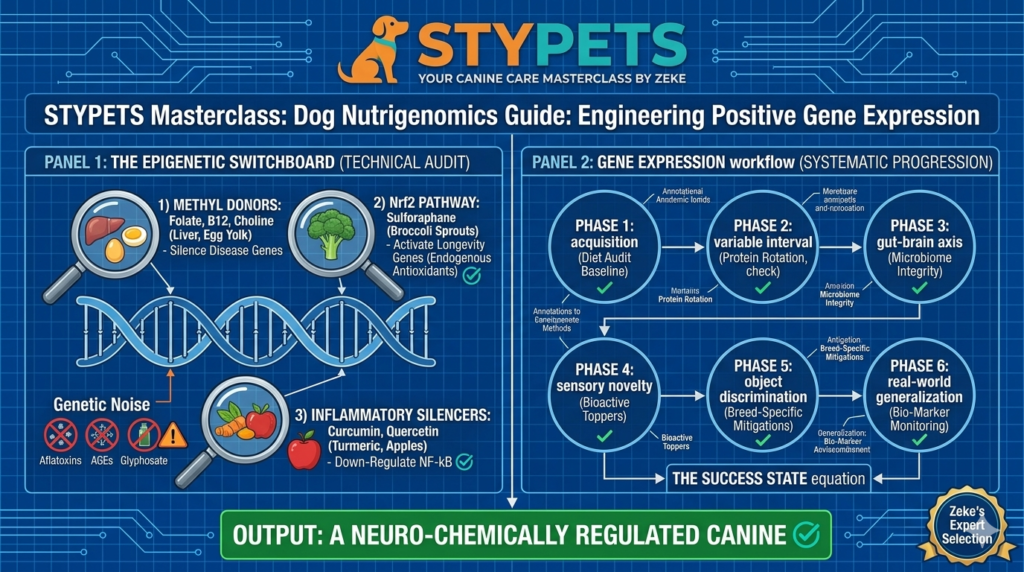
Methylation is the mechanical process the body uses to manage gene expression. A “methyl group” attaches to DNA to keep bad genes quiet. If your dog’s Dog Food lacks methyl donors, those bad genes can “wake up,” leading to rapid aging and systemic failure.
Key Methyl Donors to Look For:
-
Vitamin B12 & Folate: Found in organ meats like liver and heart.
-
Choline: Abundant in egg yolks; essential for brain health and lipid metabolism.
-
Betaine: Found in beets and spinach; supports kidney and liver function.
3. Fighting Oxidative Stress at the Source: Sulforaphane and Nrf2
One of the most powerful tools in preventing canine cognitive dysfunction and extending life is the activation of the Nrf2 pathway. This is the dog’s internal antioxidant manufacturing plant.
-
Sulforaphane: Found in broccoli sprouts and cruciferous vegetables. It is a potent Nrf2 activator.
-
The Impact: Instead of just providing external antioxidants (like Vitamin C), sulforaphane tells the dog’s genes to produce their own endogenous antioxidants, which are 1,000 times more effective.
-
Actionable Step: Adding just a teaspoon of fresh broccoli sprouts to your dog’s meal can provide a massive genetic “boost.”
4. Engineering the Gut-Genome Axis
Your dog’s microbiome contains 100 times more genetic material than the dog itself. These bacteria produce “post-biotics” like Short-Chain Fatty Acids (SCFAs) that communicate directly with the dog’s immune genes.
-
The Prebiotic Foundation: Fiber from sources like chicory root or mushrooms feeds the beneficial bacteria.
-
The Gene Signal: When bacteria ferment this fiber, they produce butyrate, which signals the immune system to remain “calm” rather than “inflammatory.”
-
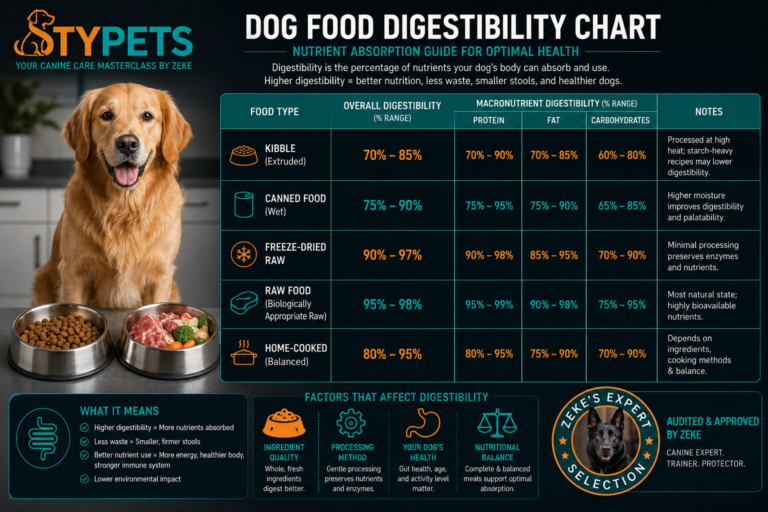
Dog Food Selection: Avoid highly processed, high-starch kibbles that promote “dysbiosis” and send inflammatory signals to the genome.
5. Nutrigenomics for Breed-Specific Failure Points
Every Dog Breed has a “genetic Achilles heel.” Modern nutrigenomics allows us to provide targeted nutritional support to mitigate these specific risks.
-
Golden Retrievers (Cancer Risk): Focus on high-level polyphenols (blueberries, green tea extract) to support tumor-suppressor genes.
-
German Shepherds (Joint Issues): Use Glucosamine and Omega-3s to down-regulate the genes responsible for collagen degradation.
-
Dachshunds (Spinal Health): Maintain a strict “Lean Body Mandate” to reduce the mechanical and inflammatory load on the Intervertebral Discs.
6. Functional Ingredients: The Bio-Hacker’s Pantry
To follow a professional dog nutrigenomics guide, you must look beyond the “Crude Protein” percentages on the back of the bag. You are looking for bioactive compounds.
| Bioactive Compound | Source | Genetic Function |
| Curcumin | Turmeric | Silences NF-kB (the master inflammatory switch). |
| Quercetin | Apples/Berries | Acts as a “Senolytic” to clear out old, damaged cells. |
| Resveratrol | Red-skinned fruits | Activates SIRT1 (the “longevity gene”). |
| EPA/DHA | Small oily fish | Modulates the genes responsible for skin and coat integrity. |
7. The Dangers of “Genetic Noise”: Anti-Nutrients and Toxins
Just as good food sends positive signals, “junk” food sends “Genetic Noise.” This noise confuses the system and leads to premature cellular death.
-
Aflatoxins: Often found in low-quality corn and grains; these are potent mutagens that damage DNA.
-
Advanced Glycation End-products (AGEs): Formed when Dog Food is cooked at ultra-high temperatures (like standard kibble). AGEs accelerate the aging of tissues and organs.
-
Glyphosate: This pesticide residue acts as a “signal interrupter” in the gut microbiome.
8. Transitioning to a Nutrigenomic Diet: A Step-by-Step Workflow
-
Audit the Current Diet: Is your Dog Food primarily starch-based? Starch promotes insulin spikes, which are “pro-aging” signals.
-
Introduce Fresh Toppers: You don’t have to switch to 100% raw to see benefits. Adding 20% fresh, bioactive foods can significantly alter gene expression.
-
Rotate Proteins: Genetic diversity in the diet leads to microbial diversity in the gut.
-
Monitor Bio-Markers: Watch for changes in coat luster, energy levels, and stool quality—these are outward signs of inward genetic harmony.
9. FAQs: Navigating the Dog Nutrigenomics Guide
Q: Can nutrition really change my dog’s DNA?
A: No, the DNA sequence remains the same, but nutrition changes how that DNA is expressed—turning “good” genes on and “bad” genes off.
Q: Is “Dog Food” labeled ‘Senior’ or ‘Puppy’ enough for nutrigenomics?
A: Usually, no. Most commercial labels are based on minimum nutrient requirements, not optimal genetic expression.
Q: How soon will I see results from a nutrigenomic approach?
A: While cellular changes happen instantly, outward physical changes (like coat quality) usually take 30 to 60 days.
Q: Are there specific tests for canine nutrigenomics?
A: Yes, some companies now offer “epigenetic clocks” for dogs to measure biological age and nutritional response.
Q: Can I give too many antioxidants?
A: Yes. The goal is “hormesis”—a beneficial stress. Overloading can actually interfere with the body’s natural signaling. Balance is key.
Q: Does cooking food destroy the genetic signals?
A: High-heat processing creates AGEs, but lightly steaming vegetables can actually make some bioactive compounds more available.
Q: Is nutrigenomics expensive?
A: It’s an investment. Adding fresh toppers like sardines or sprouts is affordable and prevents expensive chronic disease treatments later.
10. Conclusion: The Future of Canine Longevity
We are moving away from an era where we simply “feed” our dogs and into an era where we “program” them for health. This dog nutrigenomics guide is your first step toward mastering that programming. By selecting Dog Food and toppers that provide high-fidelity genetic signals, you are giving your dog the best possible chance at a 15-year (or longer) vibrant life.
External Authoritative Sources
-
Waltham Petcare Science Institute: For research on canine nutrition and health.
-
Journal of Animal Science and Biotechnology: For peer-reviewed studies on nutrigenomics in domestic animals.