The era of simply guessing if your dog “feels okay” is officially over. As we move through May 2026, the landscape of Dog Care has shifted from reactive treatments to predictive bio-analytics. We are no longer just pet owners; we are canine health strategists. To manage this new responsibility, you need the right tools. Selecting from the best dog health trackers 2026 has to offer is the first step toward a “Bio-Signal Audit”—a process that allows you to catch illness before the first symptom even appears.
1. The Bio-Signal Revolution: Beyond Basic Step Counting
In 2024, we were happy if a collar told us how many miles our dog walked. In 2026, the standard has been raised. The best dog health trackers 2026 now monitor complex physiological markers that were once only available in a clinical veterinary setting.
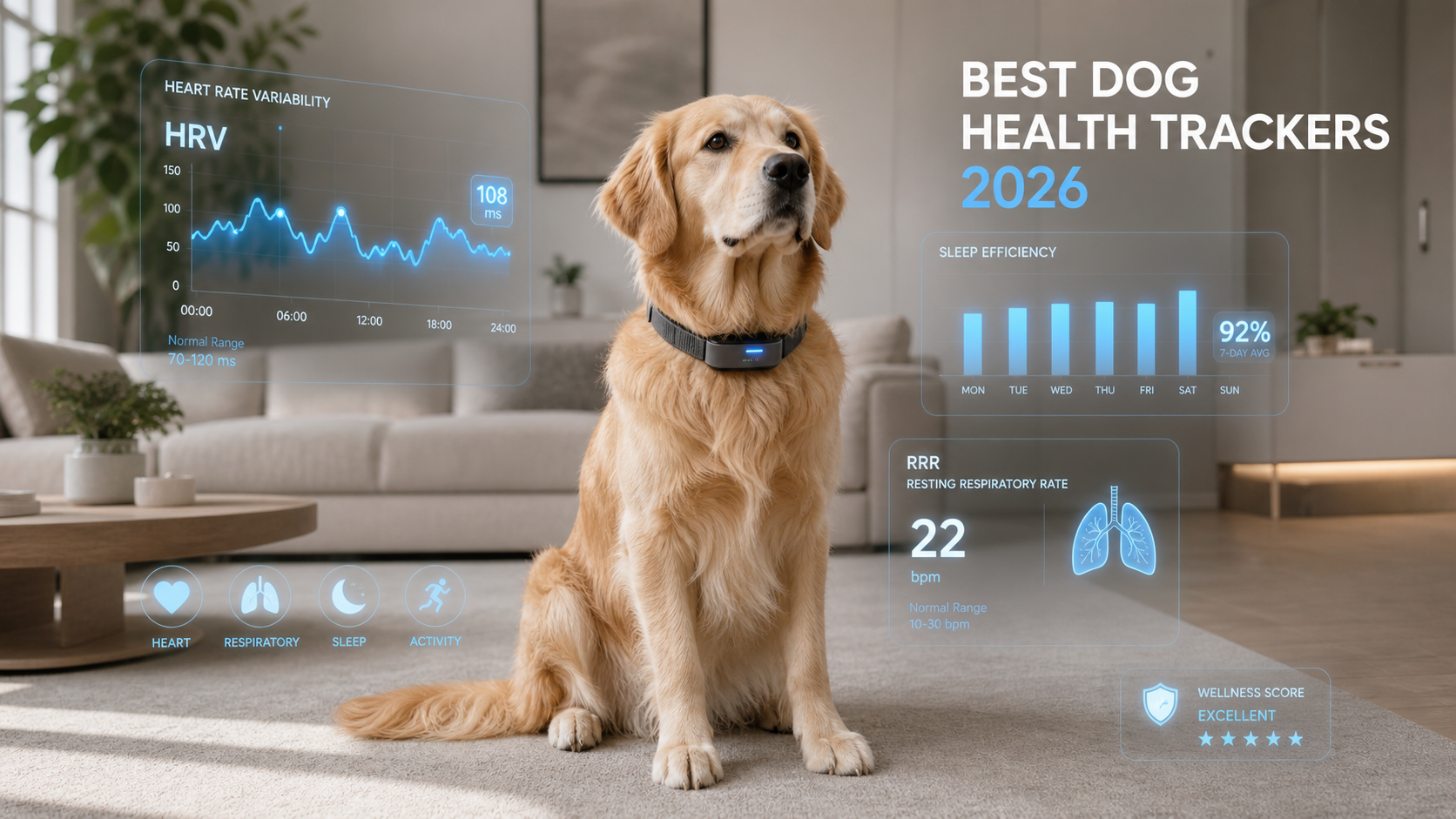
Heart Rate Variability (HRV)
HRV is the gold standard of stress monitoring. It measures the variation in time between each heartbeat. A high HRV generally indicates a relaxed, well-recovered nervous system, while a sudden drop can signal hidden pain, anxiety, or the onset of an inflammatory condition.
Respiratory Rate at Rest (RRR)
Monitoring your dog’s breathing while they sleep is one of the most critical metrics for heart health. Advanced wearables now track this with 99% accuracy. A consistent increase in RRR is often the earliest warning sign of congestive heart failure or pulmonary issues.
Sleep Efficiency
It’s not just about how long they sleep, but the quality of their REM and deep sleep cycles. Digital Dog Care now involves analyzing sleep disruptions to identify environmental stressors or musculoskeletal discomfort that only manifests when the body tries to rest.
2. Choosing the Best Dog Health Trackers 2026: A Comparative Audit
When looking for the best dog health trackers 2026, you must choose a form factor that suits your dog’s lifestyle. The market has branched into three distinct categories:
Smart Collars (The All-Rounder)
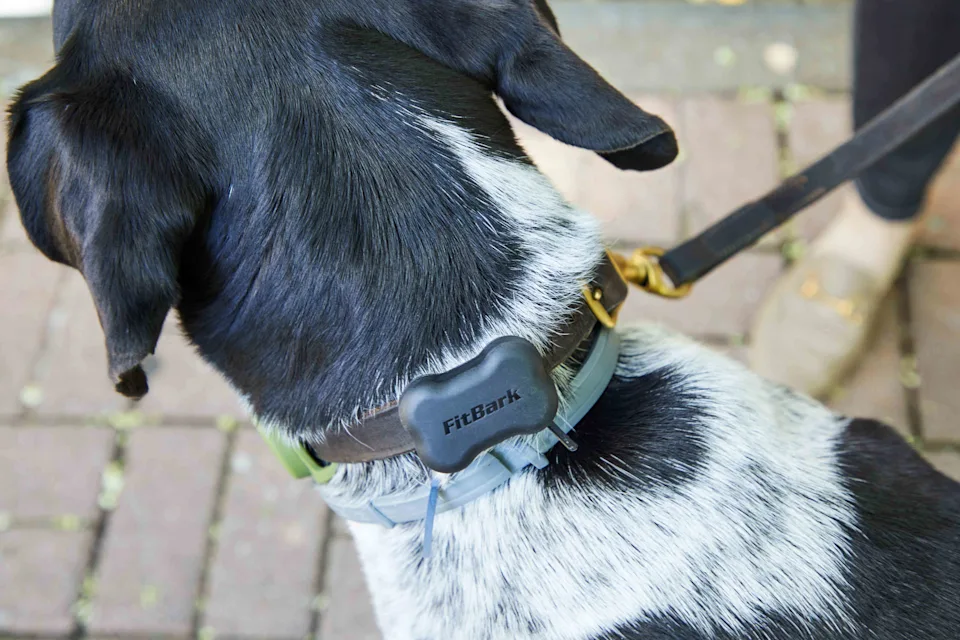
These are the most popular for a reason. They integrate GPS with advanced PPG (Photoplethysmography) sensors.
-
Pros: Easy to use, high battery life, non-invasive.
-
Best for: Active dogs and general health maintenance.
Harness-Integrated Sensors (The Clinical Choice)
For dogs with specific health needs, harness sensors provide more contact points with the skin, offering laboratory-grade data.
-
Pros: Higher accuracy for ECG and lung sounds.
-
Best for: Senior dogs or those with known cardiac conditions.
Smart Tags (The Budget-Friendly Essential)
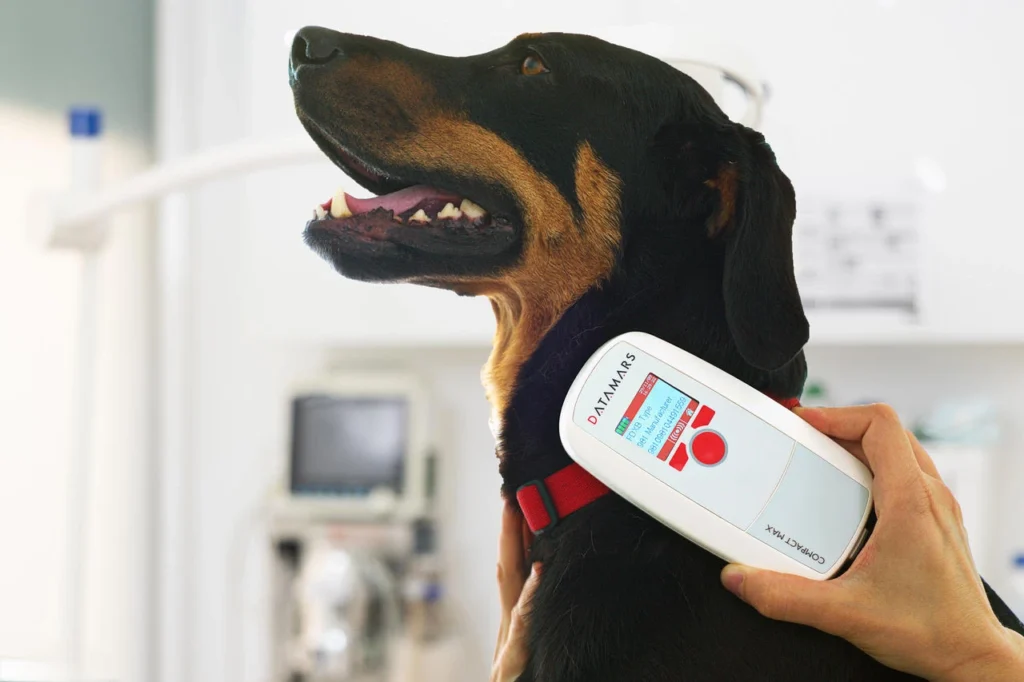
If you aren’t ready for a full collar replacement, smart tags clip onto existing gear. While they lack some deeper bio-metrics, they are excellent for basic activity and scratch/itch tracking.
3. How to Conduct a Weekly Health Tech Audit
Owning one of the best dog health trackers 2026 provides is useless if you don’t know how to audit the data. Follow this 3-step protocol:
Step 1: Establish Your “Baseline”
Every dog is an individual. Spend the first 14 days simply collecting data without making changes. This establishes what is “normal” for your dog’s HRV, temperature, and activity levels.
Step 2: Identify “Ghost Spikes”
Look for anomalies. Did your dog’s heart rate spike at 2:00 PM while you were at work? This could indicate separation anxiety or a neighborhood disturbance (like a mail carrier) that is causing chronic stress.
Step 3: Correlation with Dog Care Habits
Cross-reference your data with your dog’s diet and exercise.
-
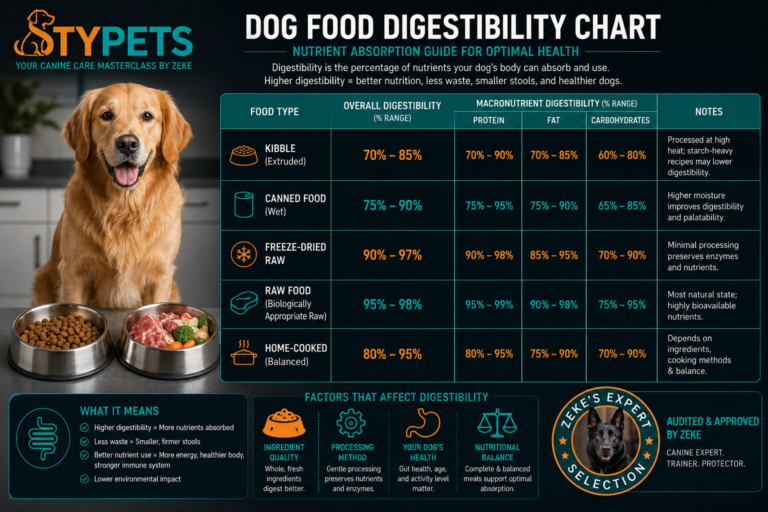
Nutrition: Does a specific brand of Dog Food lead to higher “itch” scores?
-
Exercise: Does a 3-mile run lead to a 48-hour dip in HRV? If so, you may be over-exercising them.
4. Advanced Analytics: Predicting Illness Before it Hits
The true power of the best dog health trackers 2026 lies in predictive AI. Modern apps now use “Comparative Peer Data” to tell you if your dog’s metrics are deviating from other dogs of the same breed, age, and weight.
Fever Detection
best dog health trackers 2026 subtle rise in basal body temperature over three days—even if it stays within the “normal” range—often precedes a viral or bacterial flare-up.
Pain Mapping
By tracking “Activity Intensity” and “Symmetry,” these devices can detect a slight limp or a favored side long before the dog begins to show a visible lameness. In the world of Dog Care, early detection of osteoarthritis can add years of mobility to your dog’s life.
5. Integrating Wearable Data with Professional Veterinary Care
Don’t wait for your annual check-up to share this data. The best dog health trackers 2026 offer “Vet Export” features.
-
The Digital Handshake: Send a PDF of the last 30 days of HRV and Sleep data to your vet 24 hours before your appointment.
-
Targeted Diagnostics: If the tracker shows a respiratory spike, your vet can go straight to a chest X-ray or echocardiogram, saving you money on unnecessary broad tests.
-
Medication Monitoring: If your dog is on heart or anxiety meds, the tracker provides objective proof of whether the dosage is actually working.
6. The Ethical Side of Dog Tech: Privacy and Over-Monitoring
As an expert in Dog Care, I must caution against “Data Anxiety.” It is easy to become obsessed with every minor fluctuation in the app.
-
Context Matters: A high heart rate after a play session is good; a high heart rate while napping is a concern.
-
Trust the Dog, Use the Tech: If the app says your dog is stressed but they are happily wagging their tail and eating well, prioritize the biological signs over the digital ones.
7. The Gut-Brain-Tech Axis: Syncing Wearables with Microbiome Data
In 2026, the best dog health trackers 2026 has to offer don’t exist in a vacuum; they sync with at-home diagnostic kits. We now understand that the “Gut-Brain Axis” is a primary driver of canine behavior and longevity.
-
Integrated Data Streams: Advanced apps now allow you to overlay microbiome test results with wearable activity data.
-
The Correlation: If your dog’s “Restlessness Score” increases following a change in Dog Food, the AI can pinpoint specific ingredients that may be causing systemic inflammation or “leaky gut” symptoms.
-
Actionable Strategy: Use your wearable to monitor “Sleep Quality” for 7 days after introducing a new probiotic. If deep sleep cycles increase by 15%, you have objective proof that the supplement is working.
8. Environmental Exposure Monitoring: Protecting the “External” Dog
The evolution of Dog Care technology has moved outside the body. Modern sensors in the best dog health trackers 2026 models now include ambient environmental monitors.
UV and Heat Index Alerts
Dogs with thin coats or light pigment are at a higher risk for solar-induced skin cancers. 2026 wearables track cumulative UV exposure in real-time, sending a “Seek Shade” alert to your phone before your dog’s skin reaches a critical threshold.
Air Quality and Pollen Tracking
For dogs with chronic allergies or respiratory issues, tracking the PM2.5 (particulate matter) levels in your specific neighborhood is vital. By auditing the “Itch Frequency” data against local pollen counts, you can determine exactly which environmental triggers are causing your dog’s flare-ups, allowing for precision-targeted antihistamine use.
9. Behavioral Fingerprinting: Detecting Neuro-Divergence and Anxiety
We are moving past “activity minutes” and into “behavioral fingerprinting.” The best dog health trackers 2026 use high-frequency accelerometers to distinguish between 25+ different movement patterns.
-
Neurotic Loops: The AI can now identify “Pacing Loops” or “Tail Chasing” that signify OCD or extreme boredom.
-
Separation Anxiety Detection: By monitoring “Vocalization Patterns” combined with “Biometric Spikes,” trackers can tell the difference between a dog barking at a squirrel and a dog experiencing a panic attack because you left the house.
-
Dog Training Integration: Professional trainers now use this data to see if a dog’s physiological stress levels are actually decreasing during a training session, ensuring that “calm” behavior isn’t just “shut down” behavior.
10. From Pet Parent to Health Engineer: The Predictive Maintenance Mindset
The final pillar of modern Dog Care is the shift from “Pet Parent” to “Canine Health Engineer.” This involves using the best dog health trackers 2026 to perform “Predictive Maintenance” on your dog’s biological systems.
The “Longevity Score”
Top-tier apps now provide a weekly “Longevity Score” based on a weighted average of HRV, activity, sleep, and nutrition data. This isn’t just a gimmick; it’s a tool for life extension.
-
Review the Score: If the score drops for three consecutive weeks, it’s time for a “Micro-Audit.“
-
Adjust the Inputs: Increase hydration, decrease high-impact exercise, or adjust caloric intake based on the tracker’s specific recommendations.
-
Validate the Output: Watch for the score to rebound, proving that your lifestyle interventions have successfully “lowered the biological age” of your pet.
11. SEO FAQ: Best Dog Health Trackers 2026
Q: What is the most accurate dog health tracker in 2026? A: Currently, smart collars using dual-band PPG sensors are considered the most accurate for consumers, rivaling clinical-grade equipment for heart and respiratory tracking.
Q: Do I need a subscription for these trackers? A: Most of the best dog health trackers 2026 require a monthly subscription to cover LTE/GPS costs and the AI-driven data processing.
Q: Can these trackers detect cancer? A: No tracker can “diagnose” cancer. However, they can detect the systemic inflammation and sleep disruptions that often accompany internal changes, prompting a vet visit.
Q: Is the radiation from these trackers safe for dogs? A: Yes. 2026 models use “Low-Emission” Bluetooth and LTE-M tech that operates at a fraction of the power of a standard smartphone, making them safe for 24/7 wear.
Q: How do these devices track itching and scratching? A: They use 3-axis accelerometers and machine learning to distinguish between a “normal” scratch and a repetitive “itch” cycle caused by allergies.
Q: Will these trackers work on long-haired breeds? A: The best dog health trackers 2026 now feature “Extended Sensor Nodes” designed to penetrate thick fur or double coats to maintain skin contact.
Q: Can I use one tracker for multiple dogs? A: No. These devices are calibrated to a specific dog’s weight, breed, and baseline. Switching them between dogs will corrupt the data integrity.
Conclusion: Investing in Your Dog’s Future
In 2026, the definition of a “good owner” has evolved to include being a savvy data auditor. By utilizing the best dog health trackers 2026 provides, you aren’t just buying a gadget; you are buying an insurance policy for your dog’s longevity.
Effective Dog Care is about seeing the invisible. Whether it’s a dip in HRV or a rise in sleep restlessness, your dog’s bio-signals are telling a story. It’s finally time we learned how to read it.
“Senior Dog Wellness Protocol“
AVMA (American Veterinary Medical Association): For standards on canine physiological baselines.