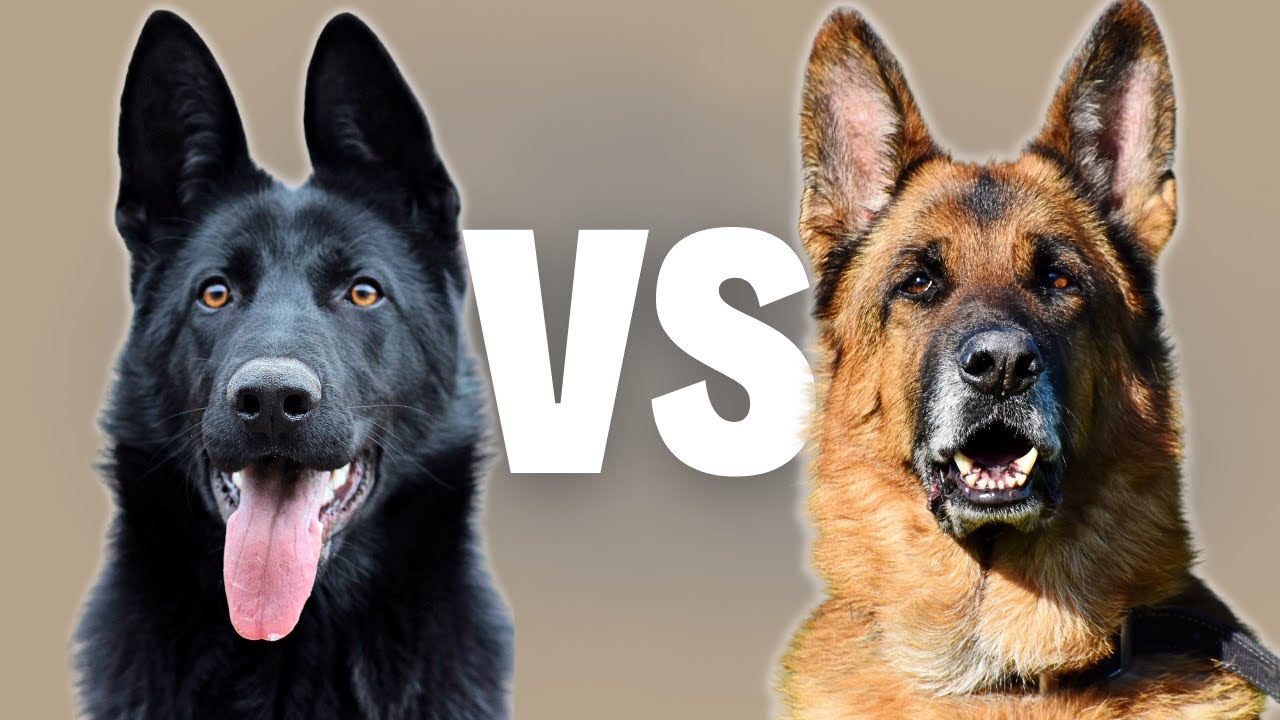
Choosing a new canine companion is more than just picking a dog breed; it is about selecting the right “operating system” for your lifestyle. The divide between working line vs show line dogs is one of the most significant yet misunderstood topics in the pet industry. While they may share the same name and registration, a working line German Shepherd and its show line counterpart are often two entirely different animals from a behavioral and physiological standpoint.
In this STYPETS Masterclass, we perform a deep-dive audit into the genetic performance gap. We will analyze why “lineage” dictates everything from adrenaline thresholds to joint longevity, ensuring you don’t accidentally bring a “Formula 1” engine into a “School Zone” lifestyle.
1. The Genetic Fork: Why Lines Diverge
The divergence in working line vs show line dogs began when breeding goals split into two distinct paths: Aesthetic Conformity and Operational Utility. Show lines are bred to meet a written physical standard (conformation), while working lines are bred based on their ability to perform a task—be it herding, protection, or scent work.
Over decades, this selection pressure creates a “Genetic Fork.” When breeders prioritize the slope of a back or the color of a coat over the intensity of a “prey drive,” the internal software of the dog breed begins to change.
2. Physiological Architecture: Form vs. Function
In the debate of working line vs show line dogs, the physical “chassis” is the first thing you’ll notice.
-
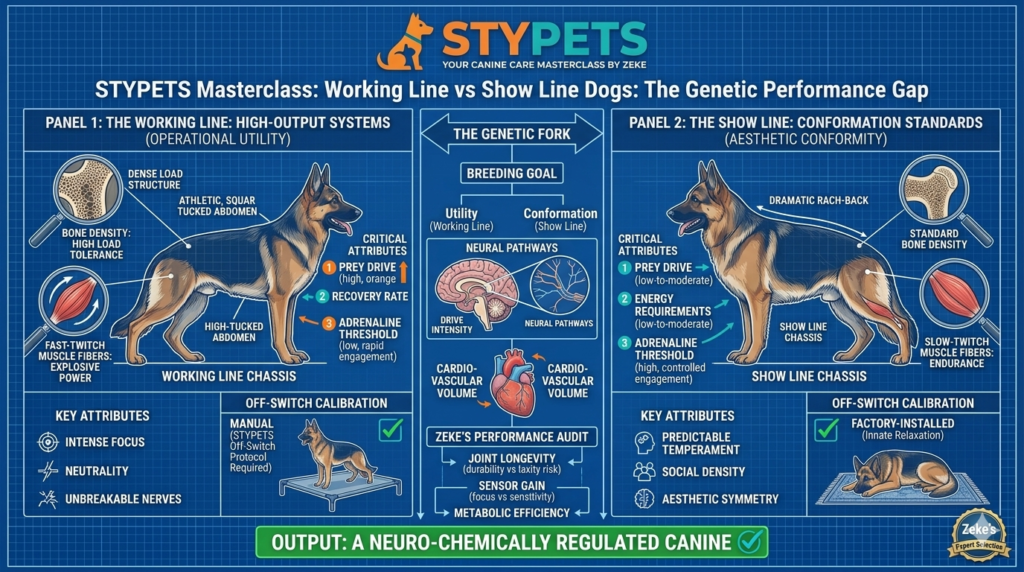
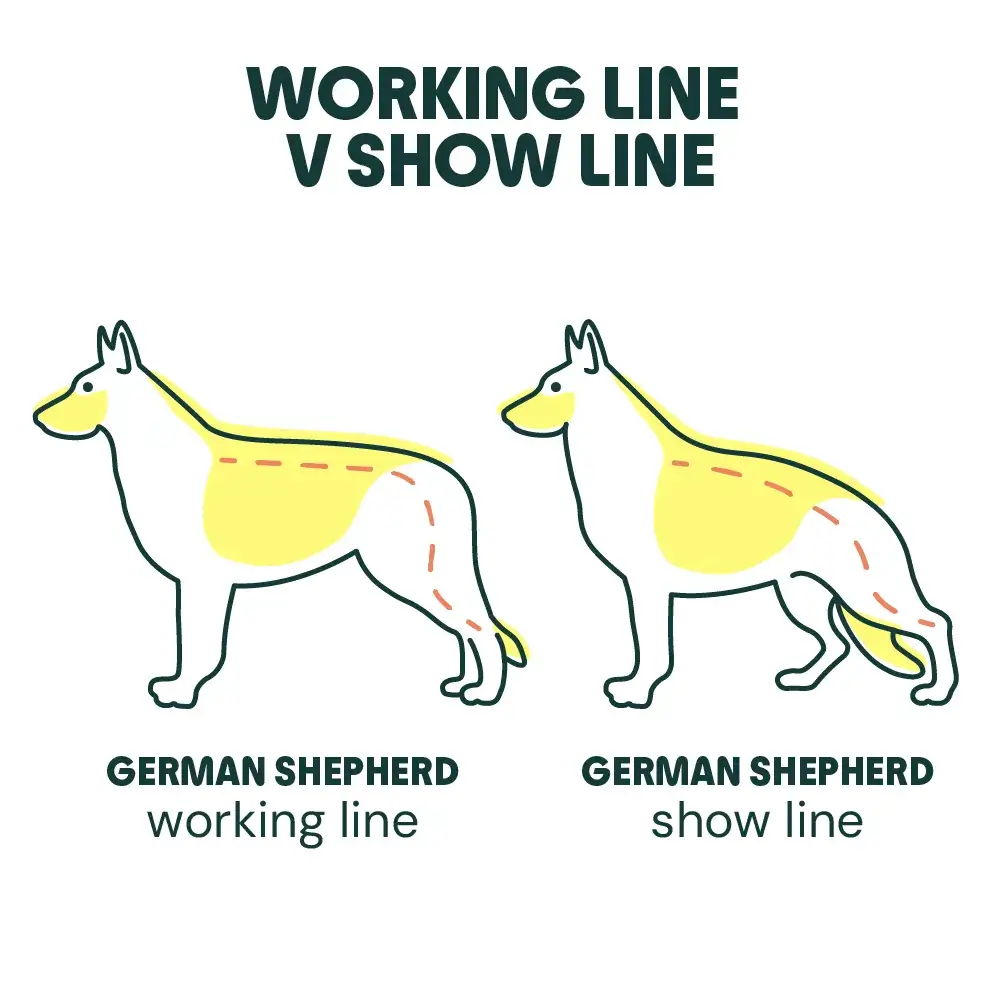
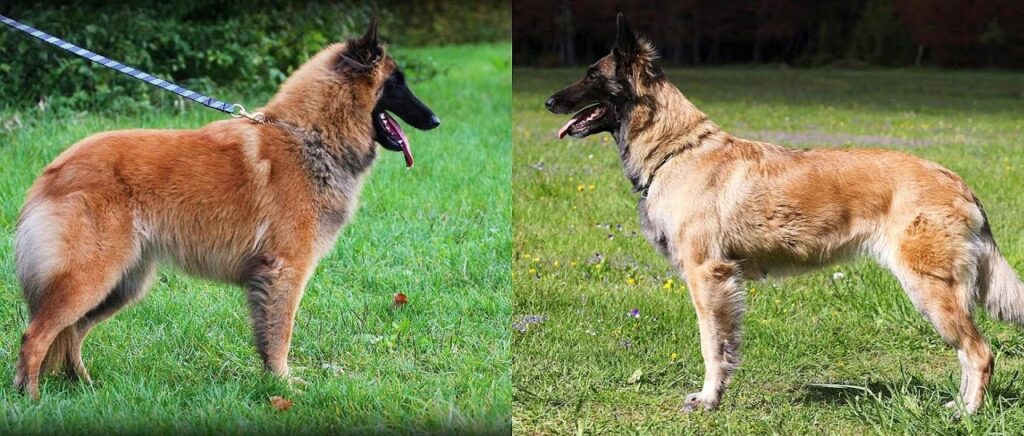
Working Lines: Often possess a more athletic, square build. They prioritize bone density, lung capacity, and “functional grip” over coat length or specific pigment.
-
Show Lines: Focus on exaggerated features that “pop” in a ring. In breeds like the German Shepherd, this often results in a more dramatic roach-back or angled hocks, which can impact high-speed maneuverability.
3. The Neural Drive: Adrenaline and Thresholds
The “Performance Gap” is most evident in the nervous system. Working line dogs have a higher Threshold for Stimulation. This means it takes more “noise” to startle them, but once they are engaged, their intensity is significantly higher.
Conversely, many show line dogs are selected for “lower drive” to make them more manageable for average pet owners. However, a lower threshold often means they are more prone to “environmental sensitivity”—becoming nervous or reactive to strange sounds or sights because they lack the “nerve strength” of their working ancestors.
4. Working Line Characteristics: The High-Output System
If you are looking at working line vs show line dogs for sport or protection, the working line is your “High-Output” machine.
-
High Prey Drive: A biological need to chase, grab, and possess.
-
High Recovery Rate: They bounce back from stress almost instantly.
-
Intense Focus: They can work for hours without “system fatigue.”
These dogs don’t just want a job; they require one. Without a cognitive outlet, they will “re-engineer” your living room into a demolition site.
5. Show Line Characteristics: The Aesthetic Standard
Show line dogs are the “Brand Ambassadors” of a dog breed. They are bred to look exactly like the pictures in the breed encyclopedia.
-
Predictable Temperament: Generally more “social” and less likely to view a moving bicycle as “prey.”
-
Lower Energy Requirements: While still active, they don’t require the 4-hour daily “mental burn” that a working line needs.
-
Exaggerated Features: Often heavier-boned or fluffier, optimized for visual appeal.
6. The “Off-Switch” Calibration: Can They Settle?
The most common complaint in the working line vs show line dogs discussion is the inability to relax.
-
Show Lines: Generally come with a factory-installed “Off-Switch.” They are content to lie at your feet after a moderate walk.
-
Working Lines: Often lack a natural “Off-Switch.” You must manually “program” relaxation through the STYPETS Off-Switch Protocol. They are “on” by default.
7. Health and Longevity: The Genetic Tax
In the working line vs show line dogs audit, health is a major variable.
-
Working Lines: Breeders often prioritize “durability.” If a dog has poor hips, it can’t work; therefore, it isn’t bred. This often leads to better structural health.
-
Show Lines: Because they aren’t “stress-tested” in the field, some genetic issues (like certain heart conditions or joint laxity) can persist because they don’t interfere with the dog’s ability to look pretty in a ring.
8. Environmental Matching: Which One Fits Your Life?
Choosing between working line vs show line dogs requires a “Hardware Audit” of your lifestyle.
-
The Suburban Family: Usually thrives with a show line.
-
The Amateur Athlete: Might enjoy a “Lower-Drive” working line.
-
The Professional Handler: Needs the high-output working line.
If you bring a working line Malinois into a 2-bedroom apartment with no plan for “bite work” or “nose work,” you are inviting a System Overload.
9. Training Requirements: Cognitive Load Management
Working lines require Precision Training. They are too smart to be “tricked” and too high-drive to be “bribed” with just a dry biscuit. They need:
-
Incentive Alignment: Finding what they truly value (usually a tug toy).
-
Clarity: They require clear “Yes/No” boundaries.
-
Complexity: They enjoy multi-step tasks that challenge their “Second Brain.”
10. Puppy Selection: Zeke’s Litter Audit
When viewing a litter of any dog breed, look for the “Neutrality Signal.” * In a working line litter, you want the puppy that is confident but not “manic.”
-
In a show line litter, you want the puppy that is curious but not “fearful.”
Zeke’s Tip: Use a “Stress Test” (dropping a set of keys). A good working line pup will investigate the noise; a nervous show line pup will hide.
11. The Myth of the “Pet Quality” Working Dog
“He’s just a working line, but he’s pet quality.” Beware of this phrase. Often, “pet quality” in a working line litter simply means the dog had a minor cosmetic flaw or lacked the “crushing grip” needed for elite sport—but it still has 90% of the energy and drive of its siblings. It is still more dog than 95% of households can handle.
12. FAQs: Navigating the Lineage Divide
Q: Are working line vs show line dogs the same price? A: Generally, yes. Both require health testing and quality care. However, elite working prospects can be more expensive due to “proven” performance titles.
Q: Can a show line dog do protection work? A: Rarely. They may bark, but they often lack the “nerve strength” to handle the pressure of a real confrontation.
Q: Which line is better for kids? A: Typically show lines, as their “prey drive” is lower, meaning they are less likely to nip at running children.
Q: Do working lines live longer? A: Due to a focus on functional health, some working lines have fewer structural issues, potentially leading to a longer active life.
Q: Is a “European” line the same as a “Working” line? A: No. Europe has both show and working lines. Always ask for the “Pedigree Audit.”
Q: Can I turn a working line into a “couch potato”? A: Not without making the dog miserable. You can’t out-train genetics.
Q: Do show lines have more allergies? A: Some show-bred populations have smaller “gene pools,” which can increase the risk of autoimmune issues like allergies.
Q: How can I tell the difference in a puppy? A: Look at the pedigree. If the parents have “IPO” or “KNPV” titles, it’s a working line. If they have “CH” (Champion) titles, it’s a show line.
Conclusion: Engineering Your Success
Understanding the gap between working line vs show line dogs is about “System Compatibility.” A dog is a 15-year commitment; don’t buy a Ferrari if you only need a sensible sedan for grocery runs. Perform your “Lifestyle Audit,” check the “Genetic Blueprint,” and choose the dog that matches your reality, not just your aesthetic.
[The “Off-Switch” Protocol] for managing high-drive working dogs.
[The Ingredient Audit] for fueling high-performance canine athletes.
The American Kennel Club (AKC): Regarding breed standards for show lines.
United Council of Working Dogs: For standards on operational performance.